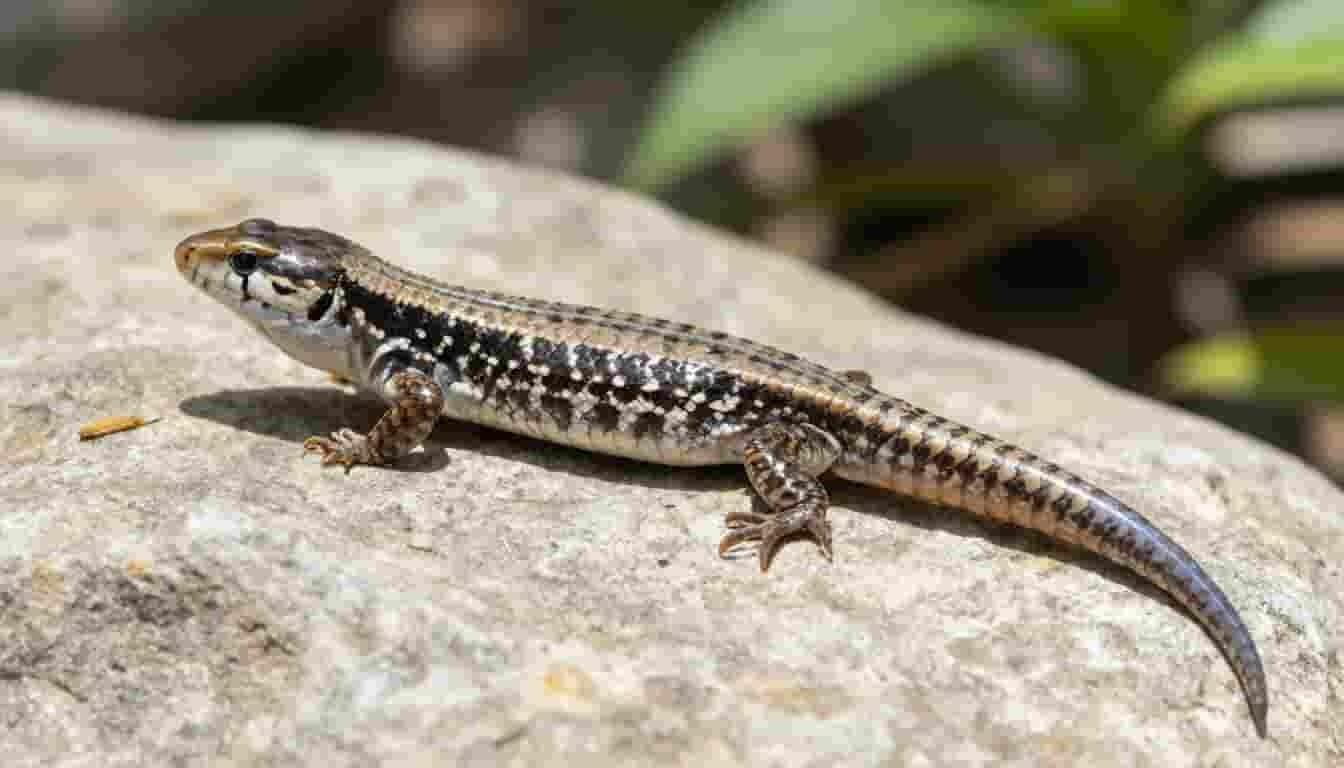
Skink Meaning: The Complete Guide to These Smooth-Scaled Lizards
What exactly is a skink? Most people confuse them with snakes or common garden lizards. A skink meaning points to a specific family of lizards known for their sleek, shiny scales and distinct movement. Unlike typical lizards, skinks glide more than they crawl. This guide unpacks everything you need to know about these fascinating reptiles.
What Is the Literal Skink Meaning?
The skink meaning refers to any lizard belonging to the family Scincidae. This family contains over 1,500 known species. Skinks are defined by their smooth, overlapping scales that feel like polished glass. Their bodies are often elongated, and their legs can be very small or completely absent.
- Smooth scales that reflect light
- Cylindrical bodies built for burrowing
- Reduced legs in many species
- Cone-shaped heads with small eyes
Unlike geckos or iguanas, skinks prioritize hiding over speed. The skink meaning also implies a secretive, ground-dwelling lifestyle.
How Did the Word “Skink” Originate?
The term comes from the Greek word skinkos. Ancient Greeks used it to describe these lizards. Later, Latin adopted it as scincus. This root gave us the scientific family name Scincidae. The skink meaning has remained consistent for over 2,000 years.
Many cultures have local names for skinks. But the scientific community agrees on this single term. Knowing the skink meaning helps you identify them instantly in the wild.
Skink vs. Lizard: What Makes a Skink Different?
All skinks are lizards, but not all lizards are skinks. The skink meaning highlights three unique traits:
| Feature | Skinks | Typical Lizards |
|---|---|---|
| Scales | Smooth, shiny, overlapping | Rough, granular, or keeled |
| Body shape | Long, cylindrical, snake-like | Flattened or robust |
| Leg size | Short or absent | Long, prominent |
| Movement | Gliding, wriggling | Quick, jerky running |
| Defense | Shed tail, hide | Bite or run |
Skinks sacrifice leg length for burrowing efficiency. This is a core part of the skink meaning. You will rarely see a skink climbing walls like a gecko.
Where Do Skinks Live Around the World?
Skinks thrive on every continent except Antarctica. The skink meaning includes adaptability to many habitats:
- Rainforest floors under leaf litter
- Deserts buried in sand dunes
- Grasslands inside rotting logs
- Coastal rocks near tide pools
- Urban gardens under flower pots
Australia and Southeast Asia hold the highest skink diversity. In North America, the five-lined skink is most common. Understanding the skink meaning helps you predict where to find them—always near cover, never in open sunlight for long.
What Does a Skink Look Like Up Close?
A skink’s appearance is its calling card. The skink meaning is visually defined by:
Head: Small, cone-shaped, with a pointed snout. Eyes have round pupils and movable eyelids—unlike snakes.
Body: Smooth, tubular, and muscular. Some species grow up to 24 inches. Most stay under 8 inches.
Scales: Glass-smooth and overlapping like fish scales. This gives them a wet look even when dry.
Legs: Tiny toes with sharp claws. Burrowing skinks have no legs at all.
Color: Juvenials often show bright blue tails. Adults turn bronze, brown, or black with stripes.
This unique look is why the skink meaning stands apart from other lizard families.
Why Do Skinks Lose Their Tails?
Tail shedding is a survival trick. When a predator grabs a skink, the tail breaks off. This is called autonomy. The skink meaning includes this remarkable defense.
The detached tail wiggles for minutes. It distracts birds, snakes, and cats. The skink escapes with its life. A new tail grows back, but it looks shorter and darker. This regrowth takes weeks.
Three facts about tail shedding:
- The break point is designed between tail vertebrae
- Blood vessels clamp shut instantly to prevent bleeding
- The new tail has cartilage, not bone
Do not grab a skink by its tail. You will see the skink meaning in action as it flees without its original tail.
What Do Skinks Eat in the Wild?
Skinks are active hunters. The skink meaning involves a carnivorous diet. They eat almost any insect they can overpower:
- Crickets and grasshoppers
- Beetles and their larvae
- Spiders and centipedes
- Small slugs and earthworms
- Occasionally tiny fruits or flower petals
Larger skinks eat newborn mice or smaller lizards. In captivity, pet skinks thrive on mealworms and roaches. The skink meaning never includes plants as a main meal—they are true insect hunters.
Are Skinks Dangerous to Humans or Pets?
No. The skink meaning does not include venom, aggression, or threat. Skinks are completely harmless to people. They do not bite unless trapped. Even then, a skink bite feels like a gentle pinch. It rarely breaks skin.
For pets: Dogs and cats may kill skinks. But the skink cannot hurt them. There is no poison. No disease transmission. Some pets vomit after eating a skink—this is due to the scales, not toxins.
The skink meaning is peaceful. These lizards prefer flight over fight. They want to be left alone under a rock.
How Long Do Skinks Live?
Lifespan depends on species and environment. In the wild, most skinks live 4 to 8 years. Predators, weather, and food shortages cut life short.
In captivity with proper care:
- Common garden skinks: 5–7 years
- Blue-tongued skinks: 15–20 years
- Monkey-tailed skinks: 10–12 years
The skink meaning ties to survival through hiding. A skink that finds safe cover and steady food can live a full decade. Captive skinks often outlive wild ones by years.
Can You Keep a Skink as a Pet?
Yes. Several skink species make excellent pets. The skink meaning for pet owners includes docile, quiet, and low-maintenance companions. Best species for beginners:
- Blue-tongued skink – Friendly, handles well, eats veggies and protein
- Five-lined skink – Small, active, needs insect diet
- Fire skink – Beautiful red and black colors, hides often
Pet care basics:
- 20–40 gallon tank with secure lid
- Heat gradient (75–85°F) with basking spot at 95°F
- UVB light for calcium absorption
- Soil or coconut fiber for burrowing
- Fresh water daily
The skink meaning in captivity means providing digging space. Without deep substrate, a pet skink becomes stressed.
What Predators Hunt Skinks?
Skinks sit in the middle of the food chain. The skink meaning involves being both hunter and hunted. Common predators include:
- Birds of prey (hawks, kookaburras, crows)
- Snakes (especially small constrictors)
- Larger lizards (monitors, agamas)
- Domestic cats and dogs
- Rats and shrews
Skinks rely on camouflage, speed, and tail shedding. But against a hungry hawk, even the fastest skink struggles. This is why the skink meaning emphasizes hiding as the primary defense.
How Do Skinks Reproduce?
Most skinks lay eggs. But the skink meaning surprises many because some give live birth. About 30% of skink species are viviparous.
Egg-layers: Female digs a shallow nest. She lays 2–15 soft, leathery eggs. She may guard them for weeks.
Live-bearers: Embryos grow inside the mother. She births fully formed baby skinks. This helps in cold climates where eggs would freeze.
Baby skinks are independent immediately. The skink meaning includes no parental care after birth or hatching. Young skinks hunt tiny insects on their own from day one.
Do Skinks Make Sounds?
Yes, but rarely. The skink meaning does not include loud calls like geckos. Skinks produce soft sounds only when threatened:
- Squeaks – Short, high-pitched distress call
- Hisses – Air expelled from lungs when cornered
- Clicking – Some species click their jaws
These sounds warn predators. Or they startle attackers just long enough for escape. The skink meaning is mostly silent. If you hear a squeak under a log, you have found a scared skink.
Skink Meaning in Different Cultures
Indigenous Australians see skinks as messengers. The skink meaning there connects to quick thinking and adaptability. Some tribes read skink movements for weather signs.
In parts of Asia, skinks symbolize regeneration due to tail regrowth. The skink meaning represents healing and second chances.
Western cultures mostly ignore skinks. But gardeners love them. A garden with skinks means no chemical pesticides. The skink meaning for a gardener is free pest control.
How to Identify a Skink in Your Backyard
You spot a shiny, fast-moving creature near your shed. Use the skink meaning checklist:
- Scales look wet but the animal is dry
- Moves like a snake but has tiny legs
- Head lifts up to look around
- Blue tail if it is a juvenile
- Hides immediately when you approach
If you see these five signs, you have a skink. Not a salamander. Not a snake. A true skink.
Frequently Asked Questions About Skink Meaning
Q1: Is a skink a snake or a lizard?
A skink is always a lizard. The skink meaning confirms they belong to the reptile family Scincidae. They have eyelids, external ears, and often small legs—none of which snakes possess.
Q2: Can skinks regrow their tails more than once?
Yes. A skink can regrow its tail multiple times. Each new tail is shorter and less colorful than the original. The skink meaning includes this regenerative ability, but repeated loss can drain energy reserves.
Q3: Are skinks poisonous to eat?
No skink species is poisonous or venomous. The skink meaning contains zero toxins. Dogs and cats may vomit after eating one due to scale irritation, not poisoning. Humans do not eat skinks.
Q4: Why do baby skinks have blue tails?
The bright blue tail distracts predators. A bird sees the flash of blue and attacks the tail instead of the body. The skink meaning for juveniles is survival through sacrifice. The blue fades as they mature.
Q5: Do skinks carry salmonella?
Like most reptiles, skinks can carry salmonella bacteria. The skink meaning includes this risk. Always wash hands after handling any skink or its enclosure. This is standard reptile safety, not a unique danger of skinks.
Q6: How can I attract skinks to my garden?
Provide ground cover, rocks, and log piles. Stop using pesticides. Leave leaf litter untouched. The skink meaning for habitat is simple: hiding spots plus insects equals skinks. A shallow water dish helps too.
Final Thoughts: Why Understanding Skink Meaning Matters
The skink meaning opens a window into one of nature’s most successful lizard families. With over 1,500 species, skinks have perfected the art of staying hidden. Their smooth scales, tail-shedding defense, and burrowing lifestyle set them apart from every other reptile.
Next time you see a shiny streak disappear under a rock, you will know exactly what it was. You now understand the skink meaning—not just the dictionary definition, but how these animals live, eat, and survive.