What Causes Low Blood Pressure: Key Triggers and Fixes
Introduction
You stand up quickly and suddenly feel dizzy, lightheaded, what causes low blood pressure or like the room is spinning. Your energy crashes for no clear reason, and simple tasks leave you drained. Low blood pressure steals your confidence and daily comfort, but you can take charge once you understand the root issues. By spotting the triggers and applying smart steps, you regain steady vitality and enjoy life fully again.
Low blood pressure, or hypotension, occurs when your reading drops below 90/60 mm Hg and reduces blood flow to organs and the brain. Many people live with it without major issues, but others face bothersome or risky symptoms. This guide explores the common and serious causes, helping you make informed choices with your doctor.
Understanding Low Blood Pressure and Why It Matters
Blood pressure measures the force of blood against artery walls as your heart pumps. Doctors record it as two numbers: systolic (top, during beats) over diastolic (bottom, between beats). Normal ranges sit around 120/80 mm Hg or lower for many healthy adults, but “low” becomes a problem mainly when it triggers symptoms.
Your body works hard to keep blood pressure stable through nerves, hormones, heart strength, and blood volume. When any part falters, pressure drops. This affects millions and often links to lifestyle, age, or health conditions. Recognizing patterns empowers you to act early and prevent falls, fatigue, or worse complications.
Common Everyday Causes of Low Blood Pressure
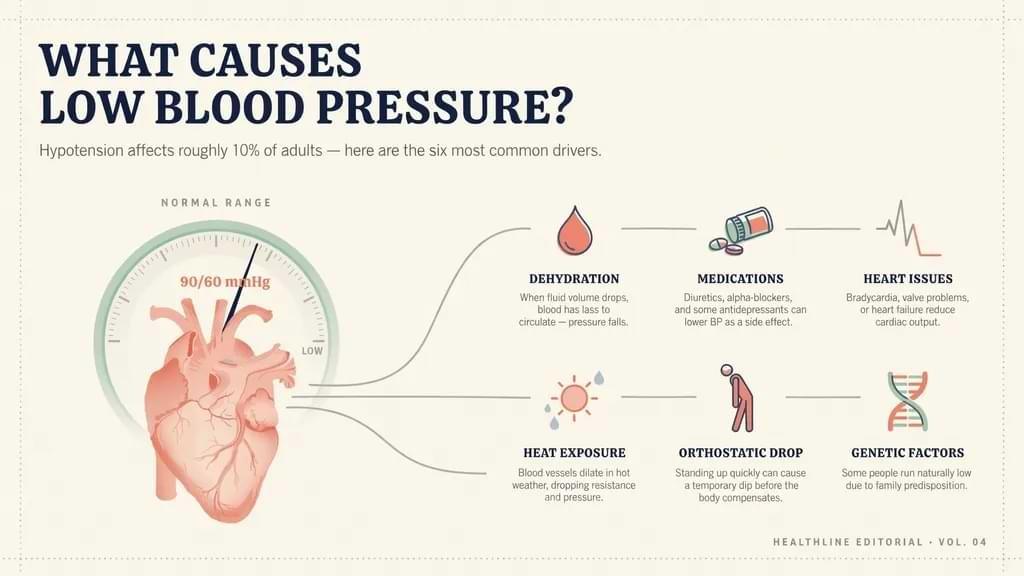
Dehydration tops the list of frequent triggers. When you lose more fluids than you take in—through sweating, vomiting, diarrhea, or simply not drinking enough—your blood volume falls. Less blood means lower pressure, especially in hot weather or after exercise.
Prolonged bed rest weakens your system too. Muscles and blood vessels lose tone, so standing suddenly pools blood in your legs and reduces flow upward.
Pregnancy often lowers pressure in the first 24 weeks as blood what causes low blood pressure vessels relax and volume increases to support the baby. Most women see it normalize later, but monitoring remains important.
Standing up too fast, known as orthostatic or postural hypotension, affects many, particularly older adults. Gravity pulls blood downward, and your body may react too slowly to adjust.
Medications That Often Lower Blood Pressure
Many prescriptions unintentionally drop blood pressure as a side effect. Doctors prescribe blood pressure medicines, diuretics (water pills), beta-blockers, and alpha-blockers to manage hypertension or heart conditions, but doses sometimes need adjustment.
Antidepressants, especially tricyclics, Parkinson’s drugs, and erectile dysfunction treatments like sildenafil can relax blood vessels or affect nerve signals. Always review your full medication list with your healthcare provider if you notice dizziness.
Over-the-counter items, including certain pain relievers or herbal supplements, occasionally contribute. Never stop prescribed drugs on your own—work with your doctor for safe changes.
Heart-Related Conditions Behind Low Blood Pressure
Your heart drives blood pressure. Problems like bradycardia (very slow heart rate), heart failure, or valve disorders reduce pumping power, so pressure falls. Arrhythmias disrupt steady rhythm and output.
After a heart attack or with weakened heart muscle, the body struggles to maintain flow, especially during activity or position changes. These issues demand prompt medical what causes low blood pressure attention to protect long-term heart health.
Endocrine and Hormonal Factors
Hormone imbalances play a big role. Addison’s disease damages adrenal glands, cutting cortisol and aldosterone that help regulate blood volume and pressure. Hypothyroidism (underactive thyroid) slows metabolism and affects circulation.
Diabetes can damage nerves that control blood vessels (autonomic neuropathy), making pressure harder to stabilize. Low blood sugar episodes also trigger drops.
Neurological and Nervous System Issues
Conditions like Parkinson’s disease impair the autonomic nervous system, which automatically adjusts blood pressure. Multiple system atrophy or other neuropathies create similar challenges.
These disorders prevent quick compensation when you stand or eat, leading to postprandial hypotension—drops after meals as blood diverts to digestion.
Nutritional Deficiencies and Blood Volume Problems
Anemia from low iron, vitamin B12, or folate reduces red blood cells that carry oxygen, forcing the heart to work differently and often lowering pressure. Poor nutrition or eating disorders compound this.
Severe blood loss from injury, surgery, or internal bleeding quickly reduces volume and pressure, creating an emergency.
Serious or Sudden Causes Requiring Immediate Care
Life-threatening situations include severe infections (sepsis), allergic reactions (anaphylaxis), pulmonary embolism, or massive bleeding. These cause distributive or hypovolemic what causes low blood pressure shock where blood vessels dilate widely or volume plummets.
Seek emergency help for sudden severe dizziness, confusion, rapid breathing, or fainting with chest pain.
Who Faces Higher Risk for Low Blood Pressure
Older adults experience more orthostatic changes due to stiffer vessels and slower reflexes. Athletes with very efficient hearts sometimes show lower resting pressure. People with family history or certain genetic traits may run lower numbers naturally.
Those on multiple medications, with chronic illnesses, or who stay inactive for long periods also carry elevated risk.
Symptoms That Signal a Problem
Watch for dizziness, lightheadedness, blurred vision, fatigue, nausea, or fainting. Some notice neck or shoulder pain, palpitations, or trouble concentrating. Symptoms that worsen when standing or after eating deserve attention.
Track when they happen and share details with your doctor for accurate diagnosis.
How Doctors Diagnose the Causes
Your provider starts with blood pressure checks in different positions, a full history, and physical exam. Blood tests check for anemia, electrolytes, blood sugar, and hormones. An electrocardiogram (ECG), echocardiogram, or tilt-table test helps evaluate heart rhythm and orthostatic response.
Holter monitors or other tests rule out specific conditions.
Practical Ways to Manage and Prevent Low Blood Pressure
Stay hydrated by drinking plenty of water throughout the day—aim for consistent intake rather than large amounts at once. Increase salt slightly if your doctor approves, especially for orthostatic issues.
Eat smaller, more frequent meals low in simple carbs to avoid post-meal drops. Stand up slowly, flex leg muscles before rising, and consider compression stockings for better circulation.
Stay active with regular walking or strength training to build vessel tone. Avoid hot environments or long hot showers that dilate vessels. Review medications regularly.
For persistent cases, doctors may prescribe fludrocortisone, midodrine, or other targeted therapies alongside lifestyle steps.
Lifestyle Changes That Build Stronger Blood Pressure Stability
Focus on balanced nutrition rich in fruits, vegetables, what causes low blood pressure lean proteins, and whole grains. Maintain healthy body weight and manage stress through breathing exercises or enjoyable movement. Limit alcohol, which dehydrates and affects nerves.
Get enough sleep and treat underlying conditions like diabetes or thyroid issues promptly. These daily habits create lasting resilience.
Biography Table: Key Experts and Sources on Blood Pressure Management
| Expert/Source | Specialization | Contribution to Understanding Low Blood Pressure |
|---|---|---|
| Mayo Clinic Cardiology Team | Cardiovascular Medicine | Detailed guides on symptoms, causes, and treatments based on extensive clinical data. |
| Cleveland Clinic Heart & Vascular Institute | Cardiology & Endocrinology | In-depth explanations of orthostatic hypotension and linked conditions. |
| American Heart Association | Public Health & Research | Patient-focused resources on risks, symptoms, and lifestyle prevention. |
| National Institutes of Health (NIH) | Biomedical Research | Evidence on mechanisms, including autonomic and hormonal factors. |
| Practicing Cardiologists (e.g., via peer-reviewed studies) | Clinical Practice | Real-world insights on medication adjustments and patient outcomes. |
This table highlights trusted entities driving reliable information in the field.
6 Frequently Asked Questions About Low Blood Pressure
What causes low blood pressure suddenly?
Sudden drops often stem from dehydration, standing up fast, medications, or serious issues like infection or bleeding. Quick position changes or meals can trigger it in sensitive people. See a doctor promptly if it feels severe.
Can low blood pressure be dangerous?
Yes, when it reduces blood flow to the brain and organs, raising risks of falls, fainting, or shock in extreme cases. Mild cases without symptoms are usually fine, but ongoing symptoms need evaluation.
Does pregnancy commonly cause low blood pressure?
Many women experience it, especially early on, due to expanded what causes low blood pressure blood vessels and increased volume needs. It typically improves, but regular prenatal checks catch any concerns.
How do I raise low blood pressure naturally?
Drink more fluids, add moderate salt under medical what causes low blood pressure guidance, eat small frequent meals, move regularly, and rise slowly. These steps support your body’s natural regulation.
Are certain medications major culprits?
Absolutely—blood pressure drugs, diuretics, antidepressants, and Parkinson’s treatments frequently contribute. Your doctor can adjust doses or switch options safely.
When should I see a doctor for low blood pressure?
Visit if you have repeated dizziness, fainting, fatigue, or confusion, especially with chest pain or shortness of breath. Early checks identify treatable causes and prevent complications.
Take Control of Your Blood Pressure Today
Understanding what causes low blood pressure puts powerful knowledge in your hands. You now recognize everyday triggers like dehydration, medication effects, heart or hormone issues, and more serious conditions. With this insight, partner closely with your healthcare team, make consistent lifestyle choices, and monitor how you feel.