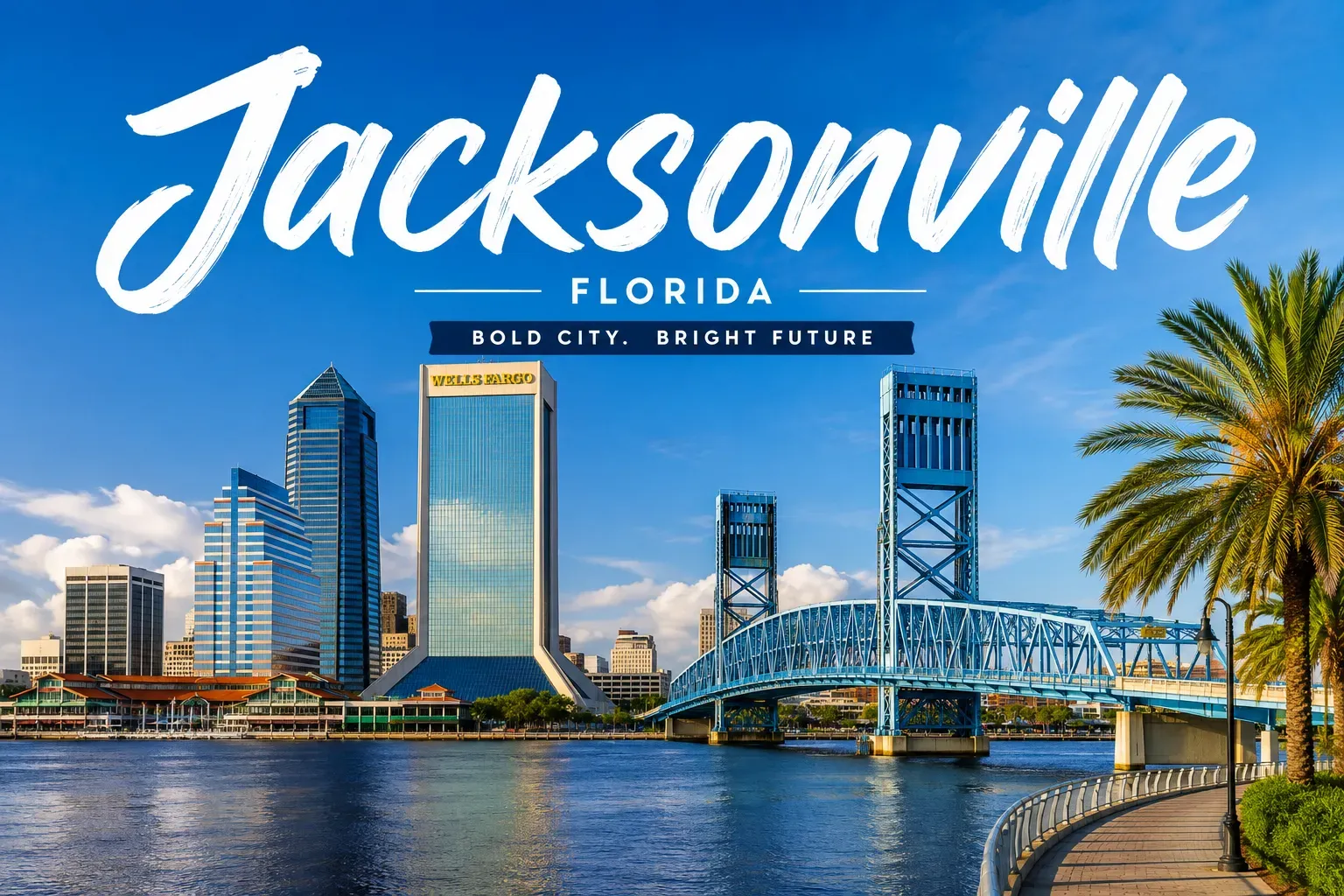
Is Jacksonville Florida Safe? 2026 Honest Area Guide
Violent crime rates in Is Jacksonville Florida Safe Jacksonville dropped by nearly 10% in the most recent reporting year, yet a quick online search paints a picture of a city under siege. The disconnect between raw statistics and daily reality fuels anxiety for anyone considering a move or visit. This guide cuts through the noise. We pair official police data with on-the-ground insights from a born-and-raised local to map block-by-block safety, revealing where you truly need to exercise caution and where families thrive without worry.
Table of Contents: Your Jacksonville Safety Roadmap
| Section | What You Will Learn |
| Jacksonville Crime Reality Check | How the city’s vast geography skews safety statistics. |
| How Jacksonville Crime Rates Compare Nationally | Violent and property crime stats stacked against similar metro areas. |
| Why Jacksonville’s Size Distorts Safety Perceptions | The single biggest factor newcomers misunderstand. |
| Safest Neighborhoods: Families and Professionals | Nocatee, Mandarin, and Bartram Park profiled. |
| High-Crime Areas to Avoid or Approach with Caution | Zip codes with elevated risk and the specific reasons why. |
| Is Jacksonville Safe for Tourists? | Navigating the beaches, downtown, and airport zones. |
| Is Jacksonville Safe at Night? | Entertainment districts versus residential streets after dark. |
| Hurricane and Flood Safety in Jacksonville | Preparing for the city’s most consistent natural threat. |
| Understanding the Duval County Sheriff’s Data | How to read daily crime maps like a police beat reporter. |
| 5 Local Truths About Staying Secure | Unwritten rules that make daily life safer. |
| Jacksonville Safety FAQ | Quick, direct answers on Beaches safety, the Trout River, and more. |
Jacksonville Crime Reality Check: Numbers vs. Everyday Living
The question “is Jacksonville Florida safe” often yields a misleading yes-or-no answer. The truth is nuanced. Jacksonville’s consolidated city-county government folds suburban cul-de-sacs and inner-city blocks into one colossal statistical net. According to the Jacksonville Sheriff’s Office public records, reported violent crime is highly concentrated in specific pockets. The average resident in a neighborhood like Mandarin experiences a fundamentally different Jacksonville than someone living on the northwest side. Property crime—car break-ins and package theft—represents the more universal nuisance, spiking even in otherwise quiet areas near major retail corridors. Treating the entire 875-square-mile city as a single danger zone is the fastest way to misjudge your actual risk.
How Jacksonville Crime Rates Compare Nationally
Jacksonville’s violent crime rate sits above the national average, but below many peer cities. The FBI’s Uniform Crime Reporting data places Jacksonville’s violent crime rate higher than the national mean but notably lower than cities like Atlanta or Memphis. For property crime, the city is roughly on par with the Florida average. The key differentiator is the murder rate, which spiked during the pandemic era but has trended downward for two consecutive years based on Florida Department of Law Enforcement reports. When a prospective resident asks “is Jacksonville Florida safe,” they are often unknowingly asking about a crime geography problem, not a citywide breakdown of law and order.
Why Jacksonville’s Size Distorts Safety Perceptions
No other city in the contiguous United States covers as much land mass. Jacksonville spans 874.6 square miles, pulling wealthy beach enclaves, industrial ports, and rural timberland into one municipal statistic. When a violent crime occurs 25 miles from your front door, it still counts against your city’s safety score. This structural oddity explains the paradox of extreme danger warnings alongside peaceful suburban experiences. A useful mental model: judge Jacksonville not as a city, but as a collection of self-contained towns. An incident in Baldwin doesn’t dictate the safety of your street in Neptune Beach.
Safest Neighborhoods: Where Jacksonville Peacefully Settles
In these locations, the answer to the question “is Jacksonville, Florida safe enough for my daily life?” is unquestionably yes for professionals, families, and retirees. These areas share common traits: high homeownership rates, active neighborhood watches, and strong transactional foot traffic during daylight.
- Nocatee: Consistently ranked as a top-selling master-planned community. Dedicated security patrols, well-lit walking trails, and a hyper-engaged community Facebook group mean a stranger casing a property gets photographed and reported within minutes.
- Mandarin: Waterfront parks and historic oak canopies define this Southside favorite. Crime here trends toward opportunistic property theft; violent incidents are statistically rare. Retired Jacksonville Sheriff’s Office officers frequently choose Mandarin as their forever home, a quiet endorsement of its safety.
- Bartram Park: Newer construction, keypad-secured apartment buildings, and a dense concentration of health-care workers create a 24-hour lived-in rhythm that naturally deters crime.
Bartram Park Walk Score and Safety: While the Walk Score sits around 25, the lack of random pedestrian flow acts as an unintentional security filter. Strangers on foot are immediately noticeable.Before 10 PM, there is very little risk for joggers and dog walkers.
High-Crime Areas to Avoid or Approach with Caution
Directness saves lives. Several Northwest Jacksonville zip codes, specifically the 32208, 32209, and 32254 areas, report violent crime rates multiple times higher than the city average. The factors here are systemic, tied to disinvestment and food deserts, not random violence. The Eastside, near the stadium district, experiences rapid block-by-block shifts; streets near Arlington Expressway require daytime-only vigilance. The urban core north of 1st Street West sees elevated rates of aggravated assault. This is not about vilifying neighborhoods but acknowledging statistical reality. If you are apartment hunting from out of state, use the Jacksonville Sheriff’s Office crime mapping tool to check your specific address radius for the last six months, not the citywide average.
Is Jacksonville Safe for Tourists? A Beach-by-Beach Breakdown
Tourism zones exist in a parallel safety universe. The Jacksonville Beach, Neptune Beach, and Atlantic Beach trifecta invest heavily in visible policing. The risk here is rarely violent; it is vehicular. Pedestrian-involved accidents spike near the intersection of 3rd Street and Atlantic Boulevard during summer weekends. Crosswalks demand eye contact with drivers.
Downtown Jacksonville, home to the Florida Theatre and the riverfront, empties quickly after business hours. A visitor staying near the Hyatt Regency will find a secure but quiet evening environment. The stadium zone buzzes on game days with heavy police presence and mounted patrols. The real tourist risk clusters around unmonitored parking lots; leaving luggage visible invites smash-and-grab theft. Simply moving belongings to the trunk before arrival at the beach parking lot solves 90 percent of tourist-targeted crime.
Is Jacksonville Safe at Night? Entertainment vs. Isolation
Night safety splits sharply between commercial and residential zones. The King Street District in Riverside, packed with craft beer bars and late-night pizza joints, feels vibrant and watched until 2 AM. Street lighting and crowd density act as natural deterrents. The same cannot be said of a poorly lit residential side street in the same zip code.
Walking alone after midnight in Five Points is generally safe, but walking alone on the Trout River Bridge’s pedestrian path is an unnecessary gamble. Your home’s nighttime security relies on motion-activated floodlights and trimmed hedges below window height. The Jacksonville Sheriff’s Office repeatedly notes that unforced entry—a thief walking through an unlocked car door—constitutes the bulk of night crimes across all districts. Locking your vehicle and home is a 100 percent preventable action that dramatically lowers your personal crime odds.
Hurricane and Flood Safety: The Real Annual Threat
A Jacksonville newcomer faces a far greater statistical danger from a tropical storm than from any violent crime category. Storm surge pushing up the St. Johns River turns the city’s western Mandarin and San Marco lowlands into federally designated flood hazard zones. Hurricane Irma’s 2017 record flooding trapped hundreds of vehicles along San Jose Boulevard. Preparation is mandatory. The city of Jacksonville provides a public floodplain map overlay; checking your address against this data before signing a lease is non-negotiable. Evacuation Zone B residents must maintain a “go bag” with medication and documents from June through November. For home protection during storms, impact windows or code-approved shutters stand as the single best investment. The risk from fallen water oaks across power lines exceeds any crime-related property loss in a given storm year.
Understanding the Duval County Sheriff’s Data: Read Your Own Crime Map
The Jacksonville Sheriff’s Office crime mapping portal allows users to set a radius around a specific address. Filter for “Violent Crimes” and set the date range to 12 months. A heat map of zero incidents within a half-mile suggests a consistently quiet block. A single point, often a domestic disturbance call, tells a story about an internal household dispute, not a random public threat. Learning this granular literacy saves you from misreading raw numbers. An apartment complex with 15 auto burglaries in a year is screaming a security failure; a standalone home on a cul-de-sac with one vandalism report is likely just unlucky. The crime data tool transforms the anxiety-inducing question “is Jacksonville Florida safe” into a precise, address-specific answer.
5 Local Truths About Staying Secure: Unwritten Rules
These practices, common among Jacksonville natives, reduce your risk footprint to near zero.
- Treat Railroad Crossings as Boundaries: The most abrupt safety transitions happen at the FEC Railway tracks. Areas immediately east and west of these overgrown corridors can shift dramatically in a single block.
- The Jax Beach No-Swim Rule: Rip currents off Atlantic Beach claim more lives yearly than any criminal event. Swim only in front of open lifeguard towers; the Ocean Rescue team is your actual beach guardian.
- Moncrief Road After Dark: Locals reroute to avoid Moncrief Road north of the Trout River after 9 PM. No drama, no statistical analysis needed—just a universal local habit.
- The Porch Light Code: Residents signal security awareness by keeping front porch lights on from dusk to dawn. A dark porch in a line of lit ones telegraphs vacancy or negligence.
- Gas Station Selection: At night, skip the isolated Gate station on a quiet industrial road for a busy Wawa or Daily’s near the highway ramp. Bright lights and a full parking lot deter opportunistic robbery.
Jacksonville Safety FAQ
What part of Jacksonville is the safest?
The safest quadrant stretches across the southeastern arc—Mandarin, Bartram Park, and the Nocatee border. These areas report property crime rates slightly above the state average but violent crime near zero.
Is downtown Jacksonville safe for visitors?
Downtown is safe during business hours and organized event nights. The elevated walkways and Riverwalk stay active until sunset. Post-commute hours bring a noticeable vacancy, making a rideshare directly to your hotel door a smarter move than a long walk.
Does Jacksonville get hit often by hurricanes?
Jacksonville dodges direct eye-wall hits more often than South Florida, but the city catches hurricane-force tropical winds and flash floods from passing Gulf or Atlantic storms every 2-3 years. The flood risk from the St. Johns River poses a bigger threat than wind damage.
Are Jacksonville beaches safe from crime?
Yes. Beach towns maintain their own police forces with a tight focus on public order. The greatest violation is an unattended bag theft, not a physical confrontation. The greater danger is always a rip current, never a stranger.
Is Jacksonville safe for a family with children?
For families, safety correlates tightly with school zone ratings. Neighborhoods Is Jacksonville Florida Safe feeding into Mandarin Oaks Elementary or Bartram Springs Elementary offer highly secure, community-watch-active environments where block parties outnumber burglary calls a thousand to one.
Which areas should first-time homebuyers avoid?
First-timers should carefully vet the 32209 and 32254 zip codes using a realtor who lives within five miles of the target property. These areas require street-level knowledge that online listings cannot convey.
Your Action Plan for a Secure Jacksonville Life
Safety in Jacksonville is a skill you master by knowing the map, not by fearing the city. You now possess a framework that Is Jacksonville Florida Safe replaces vague anxiety with precise, block-level awareness. Your next move: open the Jacksonville Sheriff’s Office crime map on your phone, drop a pin on your prospective address, and look at the last 90 days of calls for service. If the screen stays pale blue, you have found your pocket of security in this giant, complicated, and often wonderful coastal city. Book a walkthrough, talk to the neighbor watering their lawn, and trust the data over the headlines.
Author’s Note: This guide reflects on-the-ground experience spanning two decades in Duval County and uses official data from the Jacksonville Sheriff’s Office and Florida Department of Law Enforcement. Street-level conditions change; always verify an address in person before committing.