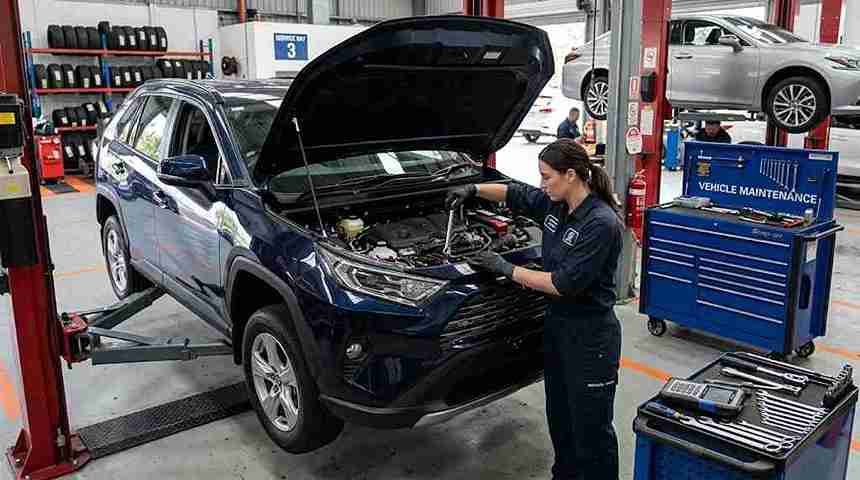
The Ultimate Vehicle Maintenance Guide: Your Roadmap to a Reliable Car
Introduction
Does that mysterious rattle or warning light fill you with dread? You are not alone. Many drivers feel overwhelmed by car care, often leading to costly repairs and unsafe driving conditions. The problem is a lack of clear, trustworthy information. This guide provides the solution. Here, you will find a simple, actionable plan for complete vehicle maintenance. We will empower you to protect your investment and enjoy a safer, smoother ride for years to come.
Table of Contents
- What is Vehicle Maintenance and Why Does It Matter?
- The Core Pillars of a Healthy Car
- Your Complete Vehicle Maintenance Schedule
- The DIY Vehicle Maintenance Tasks You Can Master
- Understanding Fluids: The Bloodline of Your Vehicle
- Tires and Brakes: Your Connection to the Road
- The Critical Role of Your Car’s Battery
- How to Build a Trustworthy Mechanic Relationship
- Seasonal Vehicle Maintenance Checklist
- The Financial Wisdom of Preventative Vehicle Maintenance
- Top 5 Vehicle Maintenance Mistakes to Avoid
- FAQs About Vehicle Maintenance
What is Vehicle Maintenance and Why Does It Matter?
Vehicle maintenance is the regular practice of inspecting, servicing, and repairing your car to ensure it runs safely and efficiently. It is not just about fixing problems when they arise; it is a proactive strategy. Think of it as preventative healthcare for your car.
This practice is crucial for several reasons:
- Safety: A well-maintained car is a safe car. Reliable brakes, good tires, and a responsive engine are your first line of defense on the road.
- Reliability: Regular vehicle maintenance prevents unexpected breakdowns. You can trust your car to start in the morning and get you to your destination without drama.
- Cost Savings: Proactive care is far cheaper than reactive repairs. A small investment in an oil change can prevent a multi-thousand-dollar engine replacement.
- Resale Value: A complete service history is a powerful selling point. It proves to buyers that you have cared for the vehicle, allowing you to command a higher price.
The Core Pillars of a Healthy Car
Every vehicle, from a compact car to a heavy-duty truck, relies on a few fundamental systems. Understanding these pillars helps you grasp the importance of routine vehicle maintenance.
- The Engine: The heart of your car. It needs clean oil, a proper cooling system, and clean air to function correctly.
- The Transmission: This system transfers power from the engine to the wheels. It relies on clean transmission fluid to shift gears smoothly.
- The Braking System: Your most critical safety feature. It includes brake pads, rotors, and fluid that must be in top condition.
- The Suspension and Steering: This system ensures you can control the car and enjoy a comfortable ride. Worn shocks or struts can affect handling and safety.
- The Electrical System: This includes the battery, alternator, and starter. It powers everything from the engine to your infotainment screen.
Your Complete Vehicle Maintenance Schedule
Following a schedule is the most effective way to stay on top of vehicle maintenance. While your owner’s manual is the final authority, this table provides a general guide.
| Frequency | Task | Why It Matters |
| Monthly | Check Tire Pressure & Condition | Improves fuel economy, safety, and tire lifespan. |
| Check Engine Oil Level | Prevents engine damage from low oil. | |
| Test Lights & Signals | Ensures you can see and be seen. | |
| Every 3-6 Months | Check Coolant Level | Prevents overheating. |
| Inspect Belts & Hoses | Catches wear before they fail. | |
| Check Battery Terminals | Prevents starting issues. | |
| Every 5,000-7,500 Miles | Change Engine Oil & Filter | The single most important task for engine longevity. |
| Rotate Tires | Ensures even tire wear. | |
| Every 15,000-30,000 Miles | Replace Air Filter | Improves engine performance and fuel economy. |
| Inspect Brake System | Critical for safety. | |
| Check Transmission Fluid | Ensures smooth shifting and transmission health. | |
| Every 30,000-60,000 Miles | Replace Spark Plugs | Maintains engine efficiency and power. |
| Flush Cooling System | Removes contaminants and prevents corrosion. | |
| Replace Fuel Filter | Protects the fuel system. | |
| Every 60,000-100,000 Miles | Replace Timing Belt | Prevents catastrophic engine failure. |
The DIY Vehicle Maintenance Tasks You Can Master
You do not need to be a mechanic to perform essential vehicle maintenance. These simple tasks empower you to take control.
- Check and Top Off Fluids: Learn to check your oil, coolant, brake fluid, and windshield washer fluid. This is a 10-minute job that can prevent major issues.
- Check Tire Pressure: Use a reliable tire gauge. Properly inflated tires are safer and last longer.
- Inspect and Replace Wiper Blades: This is a simple job that dramatically improves visibility in bad weather.
- Replace Your Cabin Air Filter: This improves the air quality inside your car and is often a simple, tool-free replacement.
- Check Your Battery: Look for corrosion on the terminals and ensure the connections are tight.
Understanding Fluids: The Bloodline of Your Vehicle
Your car relies on a complex network of fluids to operate. Each one has a specific job, and neglecting them is a primary cause of breakdowns. This is a cornerstone of effective vehicle maintenance.
- Engine Oil: Lubricates, cleans, and cools the engine’s moving parts.
- Coolant (Antifreeze): Regulates engine temperature and prevents it from freezing or overheating.
- Transmission Fluid: Lubricates and cools the transmission, enabling smooth gear changes.
- Brake Fluid: Transmits force from your foot to the brakes. It is hygroscopic, meaning it absorbs water over time and must be replaced.
- Power Steering Fluid: Helps you turn the wheels with ease.
Tires and Brakes: Your Connection to the Road
Your tires and brakes are the only parts of your car that touch the road. Their condition directly impacts your safety.
- Tires: Check the tread depth regularly. The penny test is a quick check. Look for uneven wear, which can signal alignment problems. Rotating your tires is a key vehicle maintenance task.
- Brakes: Listen for squealing or grinding noises. A soft or spongy brake pedal is a serious warning sign. Get your brakes inspected at the first sign of trouble.
The Critical Role of Your Car’s Battery
A dead battery is the most common cause of a car not starting. Most batteries last three to five years. You can extend its life by keeping the terminals clean and ensuring the alternator is charging it correctly. If you notice dim lights or slow engine cranking, get your battery tested. This simple check is a vital part of vehicle maintenance.
How to Build a Trustworthy Mechanic Relationship
Finding a good mechanic is like finding a good doctor. A trustworthy technician is your partner in vehicle maintenance. Ask for recommendations from friends and family. Look for a shop that is clean, well-organized, and willing to explain repairs in plain language. The National Institute for Automotive Service Excellence (ASE) certification is a strong indicator of a mechanic’s expertise.
Seasonal Vehicle Maintenance Checklist
Your car’s needs change with the seasons.
- Spring/Summer: Check your A/C system. Inspect coolant levels before summer heat. Check tires for heat-related wear.
- Fall/Winter: Test your battery, as cold weather reduces its power. Check your heater and defroster. Ensure your tires are ready for rain, snow, or ice. Switch to winter-grade oil if you live in a very cold climate.
The Financial Wisdom of Preventative Vehicle Maintenance
The cost of vehicle maintenance is an investment, not an expense. A $50 oil change can prevent a $5,000 engine failure. A $100 brake inspection can prevent a costly accident. According to a study by AAA, the average cost of a major repair can be several thousand dollars. Preventative care helps you avoid these financial shocks. It also keeps your car’s value high.
Top 5 Vehicle Maintenance Mistakes to Avoid
- Ignoring the Check Engine Light: This light is your car’s way of telling you something is wrong. Ignoring it can lead to more damage.
- Skipping Oil Changes: Old oil cannot lubricate effectively, leading to rapid engine wear.
- Neglecting Tires: Poorly maintained tires are a major safety hazard and waste fuel.
- Using the Wrong Fluids: Always use the fluids specified in your owner’s manual.
- Delaying Brake Service: Your brakes are not a system you want to test the limits of.
FAQs About Vehicle Maintenance
1. How often should I really change my oil?
Follow your owner’s manual. The old 3,000-mile rule is outdated for most modern cars and synthetic oils. Many cars can go 7,500 to 10,000 miles between changes. For stop-and-go driving or extreme conditions, change it more frequently.
2. What is the most important vehicle maintenance task?
If you have to pick one, it is checking and changing your engine oil. It is the single most critical factor in your engine’s lifespan. However, a complete vehicle maintenance plan covers all systems.
3. Can I do my own vehicle maintenance?
Absolutely. You can handle many tasks like fluid checks, wiper blade replacement, and air filter changes. For complex jobs like brake replacement or timing belts, it is best to consult a professional.
4. Is vehicle maintenance worth the money?
Yes, without a doubt. Every dollar you spend on preventative vehicle maintenance saves you multiple dollars on future repairs. It also protects your safety and your car’s resale value.
5. How do I find a good mechanic?
Start by asking for referrals. Look for ASE certification. A good mechanic will have a clean shop, provide clear estimates, and explain the work needed without pressure.
6. What happens if I skip vehicle maintenance?
Skipping routine vehicle maintenance leads to reduced performance, higher fuel consumption, increased safety risks, and eventually, major component failures that are very expensive to fix.
Conclusion: Take the Wheel and Drive with Confidence
Your car is a significant investment and a vital part of your daily life. It deserves more than just gas and a wash. It requires consistent, thoughtful care. By embracing a proactive approach to vehicle maintenance, you are not just saving money; you are ensuring your safety, protecting your freedom, and gaining peace of mind.
Start today. Check one fluid. Inspect one tire. Schedule that overdue service. Each small action builds a foundation of reliability. You have the power to keep your car running strong for years to come. Take the wheel and drive with confidence.