Best Italian Greyhound Food: A Complete Nutrition Guide for Your Iggy
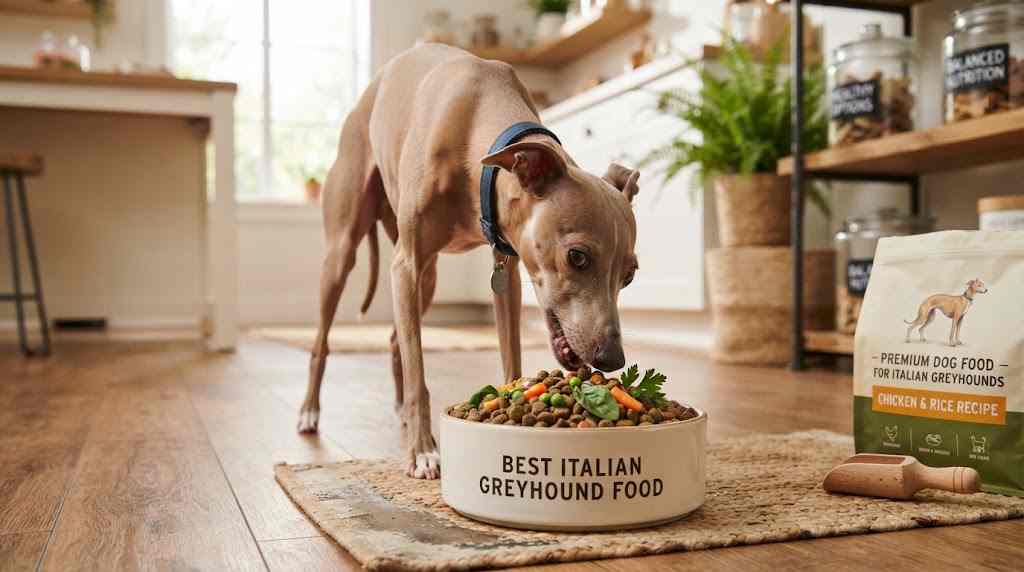
Italian Greyhounds are delicate, elegant sighthounds with specific nutritional needs. Finding the best Italian Greyhound food means understanding their unique metabolism, dental challenges, and sensitive digestion. This guide gives you everything you need to feed your Iggy well.
Quick Answer: The best Italian Greyhound food is a premium small-breed formula with high-quality animal protein, omega fatty acids for skin and coat health, and a kibble size designed for dental cleaning. Look for AAFCO-compliant recipes that support lean muscle without excess calories.
The Italian Greyhound Table: Quick Nutrition Reference
| Factor | Ideal Specification | Why It Matters |
| Protein Source | Named meat first (chicken, turkey, salmon) | Supports lean muscle mass in athletic sighthounds |
| Kibble Size | Small breed-specific | Fits tiny mouths; textured shape helps scrub teeth |
| Fat Content | Moderate to high (omega-3 & omega-6) | Nourishes thin skin and promotes glossy coat |
| Calorie Density | Calorie-dense but portion-controlled | Prevents weight gain that stresses fragile joints |
| Life Stage | Puppy, Adult, or All Life Stages | Puppies need DHA; adults need maintenance balance |
| AAFCO Statement | “Complete and Balanced” for specific life stage | Ensures nutritional adequacy |
Why Italian Greyhounds Have Unique Dietary Needs
Italian Greyhounds are the smallest sighthounds, weighing just 7 to 14 pounds. Their fine bone structure, low body fat, and fast metabolism create specific dietary demands that differ from other toy breeds.
These dogs were bred for centuries as companion animals and small game hunters. That history shaped a body built for short bursts of speed and long periods of rest. Today, most Iggies live as beloved lap dogs, but their physiology remains that of a miniature sighthound.
The Sighthound Metabolism
Italian Greyhounds burn energy quickly. Their lean muscle mass and low fat reserves mean they need calorie-dense nutrition in small portions. A food that works well for a Pug or a Labrador may not suit an Iggy.
Dental Health Challenges
The Italian Greyhound Club of America specifically recommends daily teeth brushing for this breed. Their small mouths and crowded teeth create ideal conditions for plaque buildup. Kibble shape matters—not just for nutrition, but for mechanical cleaning.
Sensitive Digestion
PetSure claims data identifies gastrointestinal problems as the number one reason Italian Greyhounds visit the vet. Their digestive systems react poorly to sudden diet changes, low-quality ingredients, and overfeeding.
What to Look for in the Best Italian Greyhound Food
Choosing the best Italian Greyhound food requires reading labels with a critical eye. Here are the non-negotiable features.
High-Quality Animal Protein First
The first ingredient should always be a named animal protein. Chicken, turkey, salmon, duck, or beef—these provide the amino acids your Iggy needs for muscle maintenance.
Avoid foods that lead with corn, wheat, soy, or unnamed “meat meal.” These are fillers that provide incomplete nutrition.
Small Kibble for Small Mouths
Italian Greyhounds have narrow muzzles and tiny teeth. Large kibble is difficult to chew and may be swallowed whole, reducing dental benefits. Small-breed formulas address this directly.
Some manufacturers design kibble with a specific shape and texture to create a mechanical scrubbing effect on teeth. This helps reduce plaque and tartar between professional cleanings.
Omega Fatty Acids for Skin and Coat
The Italian Greyhound’s short, fine coat provides almost no insulation. Their skin is equally thin and can become dry or irritated. Omega-3 and omega-6 fatty acids support a healthy skin barrier and maintain coat shine.
Balanced Calcium and Phosphorus
Iggies have remarkably fine bones. Puppies especially need controlled mineral levels to support steady, safe bone growth without stressing growth plates. Adult formulas should maintain bone density without excess.
Best Italian Greyhound Food by Life Stage
Best Food for Italian Greyhound Puppies
Puppies grow rapidly and need specialized nutrition. The best food for Italian Greyhound puppies includes:
- DHA from fish oil for brain and vision development
- Controlled calcium levels for safe bone growth
- Highly digestible proteins and prebiotics for sensitive digestive systems
- Small, easy-to-chew kibble for tiny mouths
The Italian Greyhound Club of America recommends feeding puppies three times daily until at least six months of age. Best Italian Greyhound Food Their small stomach capacity cannot hold enough low-quality food to meet their energy needs.
Best Food for Adult Italian Greyhounds
Adult Iggies need calorie-dense, small-breed kibble that supports metabolism without causing weight gain. Look for:
- Moderate fat content from named animal sources
- Dental-friendly kibble shapes
- Balanced omega fatty acids
- Appropriate portion sizes to maintain lean body condition
Most adult Italian Greyhounds do well with two meals daily. Free-feeding often leads to obesity in this breed.
Best Food for Senior Italian Greyhounds
Senior Iggies benefit from:
- Joint support ingredients like glucosamine
- Highly digestible proteins to maintain muscle
- Lower calorie density if activity declines
- Softer kibble if dental issues develop
Italian Greyhounds live 13 to 15 years on average. Their nutritional needs shift as they age, just like humans.
How Much to Feed Your Italian Greyhound
Portion control is critical. Italian Greyhounds are naturally thin, but owners often overfeed them. You should be able to feel your dog’s ribs without pressing hard, but they should not be visibly prominent.
Feeding Guidelines
| Dog Size | Daily Calories (Approximate) | Meals Per Day |
| 7-10 lbs | 250-350 calories | 2 |
| 10-14 lbs | 300-450 calories | 2 |
| Puppies | 3 meals daily until 6+ months | 3 |
These are starting points. Adjust based on your dog’s activity level, metabolism, and body condition. Consult your veterinarian for personalized guidance.
Common Italian Greyhound Diet Mistakes to Avoid
Overfeeding
The biggest risk to an Iggy’s health is excess weight. Extra pounds stress their fragile legs and joints. Measure portions—don’t guess.
Sudden Diet Changes
Italian Greyhounds have sensitive stomachs. Switching foods abruptly can trigger diarrhea or vomiting. Transition over 7-10 days, mixing increasing amounts of the new food with the old.
Free-Feeding
Leaving food out all day encourages overeating. Italian Greyhounds do best with scheduled meals and measured portions.
Ignoring Dental Health
Dry kibble alone does not prevent dental disease. Brush your Iggy’s teeth daily or as often as possible. Dental problems are among the most common health issues for this breed.
Trust Signals: About This Guide
This article draws on breed-specific nutrition information from the American Kennel Club, veterinary resources from PetMD and VCA Animal Hospitals, and the Italian Greyhound Club of America’s care guidelines. PetSure insurance claims data informed the digestion section. All recommendations prioritize AAFCO nutritional standards and breed-specific needs.
Your Italian Greyhound Deserves the Best
Finding the best Italian Greyhound food doesn’t have to be complicated. Prioritize high-quality animal protein, small kibble for dental health, omega fatty acids for skin and coat, and controlled portions to maintain that elegant, lean physique.
Your Iggy depends on you for every meal. Take five minutes today to read the label on their current food. Check the first ingredient. Verify the AAFCO statement. Measure their next portion instead of guessing.
A well-fed Italian Greyhound is a healthy, happy companion for 13 to 15 years. That’s the reward for getting nutrition right