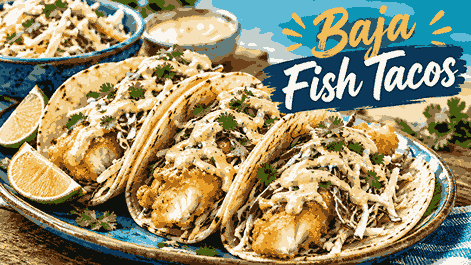
Baja Fish Tacos: How to Make Crispy, Restaurant-Style Tacos at Home
You crave that golden, shatteringly crisp fish taco from your favorite coastal taqueria. But every homemade attempt turns out soggy, bland, or falling apart in your hands. The secret to perfect baja fish tacos lives in three details most home cooks overlook: batter temperature, oil heat, and topping balance. Fix those, and you will build tacos that rival anything from the streets of Ensenada.
What Are Baja Fish Tacos and Where Do They Come From?
Baja fish tacos trace their roots to the coastal city of Ensenada in Baja California, Mexico. Street vendors in the 1950s began frying fresh Pacific catch in a light, airy batter and tucking it into warm corn tortillas. They topped the fish with shredded cabbage, a squeeze of lime, and a drizzle of crema.
The dish crossed the border into Southern California during the 1970s and 1980s. Ralph Rubio, founder of Rubio’s Coastal Grill, famously brought the recipe to San Diego after a college trip to Baja. His restaurant chain introduced millions of Americans to the style.
Today, the baja fish tacos format remains one of the most popular seafood preparations in North America. The combination of crunchy batter, tender white fish, and bright acidic toppings creates a flavor profile that feels both indulgent and refreshing.
Which Fish Works Best for Baja Fish Tacos?
The best fish for this style holds its shape during frying and delivers a mild, flaky bite. You want a white, lean fillet that will not overpower the toppings or the batter.
Here are the top choices ranked by texture and flavor:
| Fish Type | Texture | Flavor | Fry Time | Price Range | Sustainability Rating |
| Pacific Cod | Firm, flaky | Mild, clean | 3–4 min | $$ | Good (MSC Certified) |
| Mahi-Mahi | Dense, meaty | Sweet, moderate | 3–4 min | $$$ | Best Choice |
| Tilapia | Soft, tender | Very mild | 2–3 min | $ | Varies by source |
| Halibut | Firm, lean | Delicate, buttery | 3–4 min | $$$$ | Good |
| Pollock | Flaky, light | Mild | 2–3 min | $ | Best Choice |
| Swai | Soft, thin | Neutral | 2–3 min | $ | Avoid |
Pacific cod remains the gold standard for baja fish tacos because it crisps beautifully and stays moist inside. Mahi-mahi works well if you prefer a meatier bite. Avoid oily fish like salmon or mackerel — the batter will not adhere properly, and the flavor clashes with the traditional toppings.
How Do You Make the Perfect Beer Batter for Baja Fish Tacos?
The batter separates a great taco from a forgettable one. You need a coating that puffs up on contact with hot oil, turns golden in under four minutes, and stays crisp even after you pile on the slaw and sauce.
The ideal beer batter formula:
- 1 cup all-purpose flour
- ¼ cup cornstarch (this is the crunch secret)
- 1 teaspoon baking powder
- ½ teaspoon salt
- ½ teaspoon smoked paprika
- ¾ cup cold light lager (Modelo, Pacifico, or Corona)
- 1 egg yolk
Whisk the dry ingredients together first. Pour in the cold beer and egg yolk, then stir until the mixture resembles pancake batter. A few lumps are fine — overmixing develops gluten and makes the coating tough.
Critical tip: Keep your batter ice cold. Place the bowl in the refrigerator for 20 minutes before frying. The temperature shock between cold batter and hot oil (375°F) creates the steam pockets that produce that signature airy crunch.
What Toppings Belong on Authentic Baja Fish Tacos?
Traditional baja fish tacos keep toppings simple and fresh. The goal is contrast: crunchy against tender, creamy against acidic, cool against hot.
Essential toppings:
- Shredded green cabbage — not lettuce. Cabbage holds its crunch under hot fish and sauce.
- Pico de gallo — diced tomato, white onion, jalapeño, cilantro, and lime juice.
- Crema or chipotle mayo — a thin drizzle, not a flood.
- Fresh lime wedges — squeezed directly over the assembled taco.
- Pickled red onions — optional but they add a sharp, tangy punch.
Toppings to skip:
- Heavy cheese (melts into a greasy mess)
- Sour cream (too thick, masks the fish)
- Avocado slices (traditional guacamole is fine, but sliced avocado slides off)
Layer the cabbage first, then the fish, then the sauce and pico. This order prevents the tortilla from getting soggy.
How to Make Creamy Chipotle Sauce for Baja Fish Tacos
This sauce takes two minutes and transforms the entire dish. You need three ingredients:
- ½ cup Mexican crema (or full-fat sour cream thinned with a tablespoon of milk)
- 1–2 chipotle peppers in adobo sauce, finely minced
- 1 tablespoon fresh lime juice
Stir everything together in a small bowl. Taste and adjust. You want a smoky heat that builds slowly, not a blast of spice that overwhelms the fish.
For a thinner drizzle consistency, add one more tablespoon of lime juice. Store leftovers in a squeeze bottle in the fridge for up to five days.
Corn vs Flour Tortillas: Which Is Better?
Purists in Ensenada use small, white corn tortillas — typically double-stacked to prevent tearing. Corn tortillas deliver an earthy, slightly sweet flavor that complements the fried fish without competing with it.
Flour tortillas offer more flexibility and hold up better under heavy toppings. They work well if you plan to load your tacos with extra slaw and sauce.
Best practice: Warm your tortillas on a dry cast-iron skillet for 30 seconds per side. Cold tortillas crack and taste stale. A warm tortilla wraps around the fish snugly and releases a subtle toasted aroma.
Step-by-Step Baja Fish Tacos Recipe
Follow this sequence for the best results. The entire process takes about 35 minutes from prep to plate.
Ingredients (serves 4, makes 8 tacos):
- 1 lb Pacific cod fillets, cut into 1-inch strips
- 1 cup all-purpose flour + ¼ cup cornstarch
- 1 tsp baking powder
- ¾ cup cold lager beer
- 1 egg yolk
- ½ tsp salt, ½ tsp smoked paprika
- 4 cups vegetable or canola oil for frying
- 8 small corn tortillas
- 2 cups shredded green cabbage
- ½ cup pico de gallo
- ¼ cup chipotle crema
- 4 lime wedges
Instructions:
- Pat the fish dry with paper towels. Moisture on the surface prevents the batter from sticking. Season lightly with salt.
- Mix the batter using the formula above. Refrigerate for 20 minutes.
- Heat oil in a deep Dutch oven or heavy pot to 375°F. Use a thermometer — guessing the temperature is the number one cause of soggy batter.
- Dredge each fish strip in plain flour first, then dip into the cold batter. Let excess drip off for two seconds.
- Fry in batches of 3–4 strips for 3–4 minutes until deep golden brown. Do not overcrowd the pot — the oil temperature will drop and the batter will absorb grease.
- Drain on a wire rack, not paper towels. Paper towels trap steam underneath and soften the crust.
- Warm tortillas on a dry skillet.
- Assemble: cabbage, fish, pico, crema, lime squeeze. Serve immediately.
What Sides Pair Well with Baja Fish Tacos?
Build a full meal around your tacos with these complementary sides:
- Mexican street corn (elote) — grilled corn with mayo, cotija, chili powder, and lime.
- Black beans and rice — seasoned with cumin, garlic, and a bay leaf.
- Mango salsa — the sweetness balances the smoky chipotle sauce.
- Tortilla chips with guacamole — a crowd-pleasing starter.
- Cucumber-jicama salad — tossed with tajín and lime for a refreshing crunch.
Keep sides light and acidic. Heavy, creamy dishes compete with the richness of the fried fish.
Common Mistakes That Ruin Baja Fish Tacos
Even experienced cooks stumble on these errors. Avoid them to protect your results:
- Using warm batter. Cold batter hitting hot oil creates the crisp shell. Warm batter absorbs oil and turns greasy.
- Frying at the wrong temperature. Below 350°F, the fish soaks up oil. Above 400°F, the outside burns before the inside cooks.
- Skipping the flour dredge. Dipping fish straight into wet batter causes it to slide off during frying. The dry flour layer acts as glue.
- Overloading the tortilla. Two to three strips of fish per taco is the limit. More than that and the tortilla splits.
- Assembling too early. Build your tacos right before serving. Sitting for even five minutes turns the tortilla soggy.
How to Store and Reheat Leftover Baja Fish Tacos
Store the components separately. Keep fried fish in a single layer on a wire rack in the refrigerator for up to two days. Store slaw, sauce, and tortillas in their own containers.
Reheating method: Place the fish on a baking sheet in a 400°F oven for 5–7 minutes. This restores the crunch far better than a microwave, which turns the batter rubbery. An air fryer at 375°F for 3–4 minutes also works well.
Never reassemble and refrigerate a finished taco. The moisture from the cabbage and sauce will destroy the batter within an hour.
Are Baja Fish Tacos Healthy?
A standard serving of two baja fish tacos contains approximately 380–450 calories, depending on the size of the fish strips and the amount of oil absorbed during frying. The fish itself provides 20–25 grams of high-quality protein and a solid dose of omega-3 fatty acids.
The cabbage slaw adds fiber and vitamin C. The lime and pico de gallo contribute antioxidants with virtually no calories.
The main calorie driver is the frying oil. To lighten the dish, you can air-fry the battered fish at 400°F for 10–12 minutes, flipping halfway. The texture will not match deep-frying exactly, but it comes surprisingly close and cuts the fat content by roughly 40%.
Baja Fish Tacos vs Regular Fish Tacos: What’s the Difference?
Not all fish tacos follow the Baja style. Here is how they differ from other regional variations:
- Baja style features beer-battered, deep-fried white fish with cabbage slaw and crema. The emphasis is on crunch and contrast.
- Grilled fish tacos (common in Veracruz and Yucatán) use marinated, char-grilled fillets with pickled onions and habanero salsa. No batter involved.
- Coconut-crusted fish tacos (popular in Hawaiian and Caribbean fusion) swap the beer batter for shredded coconut and panko.
- Blackened fish tacos (Cajun-influenced) coat the fish in a dry spice rub and sear it in a cast-iron skillet.
The Baja preparation remains the most widely recognized version in the United States, largely because of its balance of textures and its approachability for home cooks.