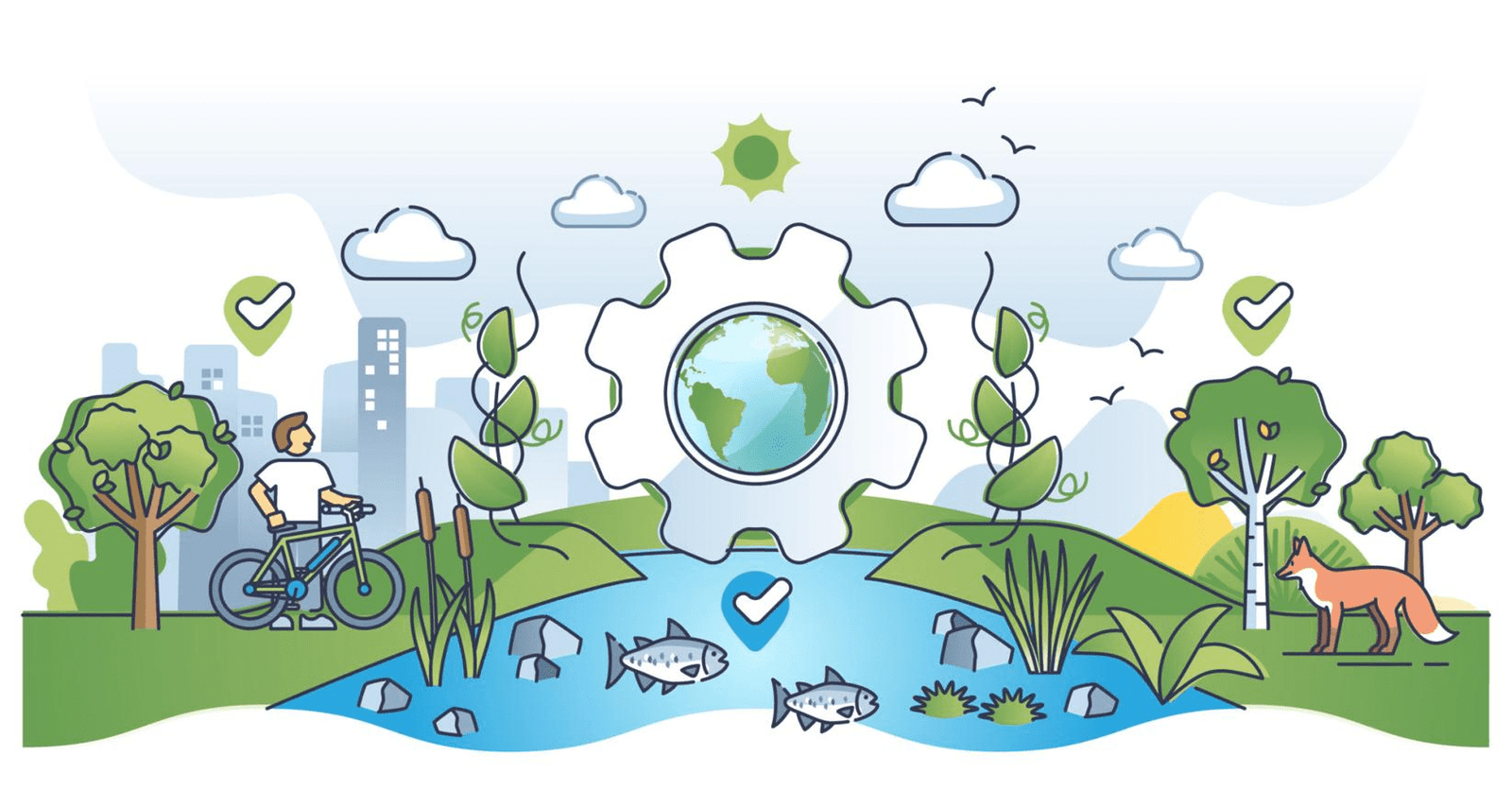
Human Environment Interaction: 10 Powerful Ways We Shape the Planet
Every action you take leaves a mark on the Earth. From the home you build to the food you eat, human environment interaction defines how landscapes change. This relationship can harm or heal. The choice rests with us. Understanding this connection helps you make smarter, kinder decisions for the planet.
What Is Human Environment Interaction and Why Does It Matter?
Human environment interaction describes how people change nature and how nature changes people back. This concept sits at the heart of geography. It explains farming, city growth, and even climate shifts. When you understand this bond, you see why clean rivers and fresh air matter for your health.
External Source 1: National Geographic defines human-environment interaction as a core theme of geography. [National Geographic Society – Geography Standards]
How Do Humans Adapt to Their Environment?
Adaptation means changing your behavior to fit natural conditions. People build stilt houses in flood zones. They wear wool coats in cold regions. Farmers rotate crops to match rainy seasons. Adaptation does not harm nature. It shows respect for local limits.
For example, Inuit communities construct ice shelters for hunting trips. Desert dwellers use thick walls to keep homes cool. Each adaptation improves survival without destroying the land. Smart adaptation forms the first pillar of positive human environment interaction.
What Happens When Humans Modify Nature?
Modification changes the environment to meet human needs. Dams store water for cities. Roads cut through mountains. Sometimes modification goes too far. Cutting rainforests for cattle farms reduces oxygen production. Overfishing empties oceans.
Yet modification can be positive. Rooftop gardens reduce heat in crowded neighborhoods. Artificial reefs create new homes for fish. The key is balance. Responsible modification keeps ecosystems working while helping people thrive.
External Source 2: The UN Environment Programme shares data on how modified landscapes can still support biodiversity. [UNEP – Ecosystem Management]
Why Is Human Environment Interaction a Two-Way Street?
Nature always responds to human actions. When you pollute a river, fish die and drinking water becomes unsafe. When you plant trees, rainfall improves and air clears. This feedback loop is the core of human environment interaction.
Hurricanes destroy poorly built homes. Droughts punish wasteful irrigation. But gentle farming returns rich soil. Clean energy brings stable weather. Listening to nature’s signals helps you avoid disasters. Respectful actions create positive cycles.
5 Everyday Examples of Human Environment Interaction
You experience this concept daily without thinking about it.
- Drinking water – You take water from a lake or well. That lake level drops if you waste it.
- Driving a car – Gasoline use releases carbon. That carbon warms the air you breathe.
- Eating beef – Cattle farms replace forests. Fewer trees mean less rain.
- Using air conditioning – Electricity demand rises. Power plants burn more coal.
- Walking in a park – Trails pack soil. Plant roots hold that soil together.
Each small choice adds up. Positive human environment interaction starts with awareness.
How Can You Measure Your Environmental Impact?
Your ecological footprint measures how much land and water your lifestyle requires. Online calculators show your personal score. A high footprint means you take more than nature can replace.
You can shrink your footprint quickly. Eat local vegetables instead of imported meat. Take trains instead of planes. Fix leaky faucets. These actions lower pressure on forests, rivers, and animals. Small daily changes create big improvements in human environment interaction.
External Source 3: The Global Footprint Network provides a free personal footprint calculator. [Global Footprint Network – Footprint Calculator]
What Are the 3 Main Types of Human Environment Interaction?
Geographers group interactions into three clear categories.
- Dependency – You need nature for food, water, and air. Without healthy ecosystems, you cannot survive.
- Adaptation – You change your habits to fit natural conditions. Examples include wearing sunscreen or building levees.
- Modification – You reshape the land for your use. Farming, mining, and construction fall here.
Understanding these three types helps you spot problems early. For example, over-dependency on groundwater causes wells to run dry. Smart human environment interaction balances all three.
Which Countries Show Positive Human Environment Interaction?
Several nations lead with smart environmental policies.
Costa Rica generates 98% of its electricity from renewables. Forests now cover more than half the country. Germany pays citizens to install solar panels on home roofs. Singapore turns skyscrapers into vertical gardens. These governments reward people for gentle human environment interaction.
You can copy their ideas locally. Start a community solar fund. Plant native trees on empty lots. Vote for leaders who protect wetlands. Positive change spreads when people see working examples.
How Does Agriculture Change Human Environment Interaction?
Farming is the oldest form of environmental modification. Plowing releases carbon from soil. Pesticides kill bees that pollinate crops. Irrigation drains ancient aquifers.
But regenerative farming fixes this damage. Farmers stop tilling. They plant cover crops between harvests. They rotate cattle to fertilize fields naturally. These methods pull carbon back into the ground. Healthy soil grows stronger food. Good human environment interaction turns farms from problem to solution.
External Source 4: The Rodale Institute publishes 40+ years of research on regenerative farming. [Rodale Institute – Farming Systems Trial]
What Role Do Cities Play in Environmental Change?
Cities concentrate human activity into small areas. This intensity can harm or help. Sprawling suburbs pave over wetlands. Traffic jams fill air with smog.
But dense cities also offer solutions. New York’s High Line park turned old train tracks into green walking paths. Tokyo’s rooftop farms grow rice above subway stations. Copenhagen cyclists prevent thousands of car trips daily. Smart city design proves that human environment interaction works best when people share space efficiently.
Can Technology Fix Negative Human Environment Interaction?
Technology alone cannot erase damage. But smart tools make healing faster.
- Carbon capture machines pull CO2 directly from the air.
- Smart grids deliver electricity only when homes need it.
- Vertical farms grow lettuce in skyscrapers using 90% less water.
- Biodegradable plastic breaks down in months instead of centuries.
These inventions work best alongside behavior change. Drive less even if you own an electric car. Reuse bags even if stores offer plastic. Technology supports good human environment interaction but never replaces personal responsibility.
How to Teach Children About Human Environment Interaction
Kids learn fast when lessons feel real and fun.
Take a walk together. Point out a storm drain and explain where water goes. Plant a bean seed in a clear cup so roots are visible. Watch a time-lapse video of a forest regrowing after a fire. Ask simple questions: “What happens if we throw trash here?” “Where does our tap water come from?”
Children who understand human environment interaction grow into careful adults. They waste less. They protect parks. They invent better solutions for the future.
External Source 5: Project Learning Tree offers free lesson plans for K–12 environmental education. [Project Learning Tree – Curriculum Resources]
6 Frequently Asked Questions (FAQs)
1. What is a simple definition of human environment interaction?
It is how people change nature and how nature changes people back. Examples include farming, building homes, or adapting to heat.
2. Is all human environment interaction bad?
No. Planting trees, using solar power, and recycling are positive interactions. The outcome depends on your choices and respect for natural limits.
3. How does human environment interaction cause climate change?
Burning fossil fuels, cutting forests, and factory farming release heat-trapping gases. These gases warm the planet and disrupt weather patterns.
4. Can one person improve human environment interaction?
Absolutely. Choose reusable water bottles. Walk short trips. Eat less meat. Vote for green policies. Small actions multiply when millions try.
5. What is the difference between adaptation and modification?
Adaptation changes your behavior (wearing a coat). Modification changes the land (building a heated home). Both are parts of the same interaction.
6. Which career focuses on human environment interaction?
Urban planner, environmental scientist, conservation officer, agricultural engineer, and climate policy analyst all work directly on this topic.
Conclusion: Your Choices Rewrite the Future
Every time you turn off a light, you shape tomorrow. Every tree you plant cools a neighborhood. Every walk you take instead of a drive clears the air. Human environment interaction is not a distant theory. It happens under your feet and above your head right now.