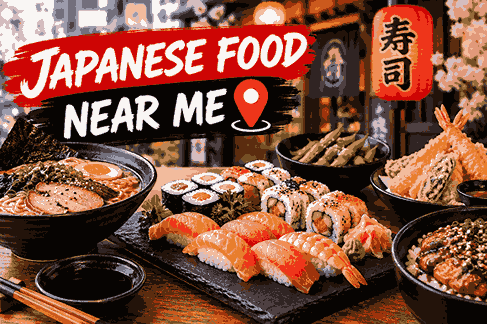
Japanese Food Near Me: The Complete Local Dining Guide You Actually Need
You want authentic Japanese food tonight but have no idea where to start. Scrolling through endless reviews and overpriced tourist traps only leaves you frustrated, hungry, and ready to give up. This guide cuts through the noise with real, tested tips so you can find the best japanese food near me and eat like royalty.
What Makes Japanese Food Near Me Worth the Search?
Japanese cuisine ranks among the most celebrated food traditions on the planet. The UNESCO Intangible Cultural Heritage list recognized washoku (traditional Japanese dietary culture) in 2013 for its emphasis on seasonal ingredients, balanced nutrition, and stunning presentation (Japan National Tourism Organization, jnto.go.jp).
When you search for japanese food near me, you unlock access to dishes built on centuries of craft. Fresh fish, fermented soy, hand-pulled noodles, and charcoal-grilled meats define this cuisine. Every bite tells a story of precision and respect for ingredients.
Local Japanese restaurants bring that tradition straight to your neighborhood. You do not need a plane ticket to Tokyo to enjoy a proper bowl of tonkotsu ramen or a plate of hand-pressed nigiri.
How Do You Find Authentic Japanese Food Near Me Fast?
Speed matters when hunger hits. Open Google Maps and type japanese food near me to see rated restaurants within walking or driving distance. Filter by “open now” and sort by rating to skip the guesswork.
Read the most recent reviews first. Look for specific dish mentions like “the spicy tuna roll was incredible” rather than vague praise. Specific details signal real diners, not bots.
Check the restaurant’s website or Instagram for photos of their kitchen and plating. Authentic spots proudly show their itamae (sushi chefs) at work. A visible sushi bar with fresh fish on display is a strong green flag.
Ask friends or local food groups on Facebook for personal recommendations. Word-of-mouth referrals often lead you to hidden gems that algorithms miss.
What Types of Japanese Food Near Me Should You Try First?
The variety can overwhelm first-timers. Here is a quick breakdown of the most common restaurant styles you will find when searching for japanese food near me:
- Sushi-ya: Dedicated sushi counters serving nigiri, maki, and sashimi. Best for fresh fish lovers.
- Ramen-ya: Noodle shops specializing in rich broths like shoyu, miso, shio, and tonkotsu.
- Izakaya: Japanese gastropubs offering small plates, grilled skewers, and drinks. Perfect for groups.
- Teppanyaki: Chefs cook on a flat iron grill right in front of you. Great for families and celebrations.
- Udon & Soba Shops: Thick wheat noodles or thin buckwheat noodles served hot or cold.
- Kaiseki Restaurants: Multi-course fine dining experiences showcasing seasonal artistry.
Start with a ramen-ya or izakaya if you want bold flavors at fair prices. Save kaiseki for a special occasion.
Which Japanese Dishes Are Most Popular at Local Restaurants?
Walk into almost any Japanese restaurant in the U.S., and you will see these crowd favorites on the menu:
- Fresh fish covered in seasoned rice is called salmon nigiri. Simple and satisfying.
- California Roll: Crab, avocado, and cucumber wrapped inside-out. A gateway roll for beginners.
- Tonkotsu Ramen: Creamy pork bone broth with chashu, soft-boiled egg, and green onions.
- Chicken Teriyaki: Glazed grilled chicken served over steamed rice with vegetables.
- Gyoza: Pan-fried pork dumplings with a crispy bottom and juicy filling.
- Edamame: Steamed soybeans lightly salted. The perfect starter.
- Miso Soup: Tofu, seaweed, and fermented soybean paste broth.. Served with nearly every meal.
These dishes form the backbone of most menus. Order them to get a reliable sense of a restaurant’s quality before branching out.
How Much Does Japanese Food Near Me Typically Cost?
Budget planning saves you from sticker shock. Prices for japanese food near me vary based on the restaurant type and your city. Here is a realistic breakdown:
| Dish / Restaurant Type | Average Price Range | Best For | Dietary Notes |
| Ramen (bowl) | $12 – $18 | Quick lunch | Contains gluten (noodles) |
| Sushi Roll (6–8 pcs) | $8 – $16 | Light dinner | Gluten-free (request tamari) |
| Sashimi Platter | $18 – $35 | Date night | High protein, low carb |
| Chicken Teriyaki Plate | $13 – $19 | Family dinner | Contains soy (gluten) |
| Gyoza (6 pcs) | $7 – $11 | Appetizer | Contains gluten, pork |
| Izakaya Small Plates | $6 – $14 each | Group hangout | Varies by dish |
| Omakase (per person) | $60 – $200+ | Special occasion | Chef’s choice, often seafood |
| Udon / Soba Bowl | $11 – $17 | Comfort meal | Soba is gluten-free (buckwheat) |
| Tempura Combo | $14 – $22 | Crispy cravings | Contains gluten (batter) |
| Kaiseki (per person) | $100 – $300+ | Fine dining | Seasonal, multi-course |
Price data reflects U.S. metropolitan averages as of 2024. Rural areas may run 15–20% lower.
What Should You Look for in a Quality Japanese Restaurant?
Not every spot that pops up when you search japanese food near me deserves your time. Use this checklist to separate the real deal from the mediocre:
- Fresh fish smell: The restaurant should smell clean and oceanic, never fishy or sour.
- Rice temperature: Sushi rice should be body-temperature, not cold or hot.
- Chef credentials: Look for trained itamae with years of apprenticeship. Many display certifications.
- Menu size: Smaller menus often signal higher quality. A 20-page menu usually means frozen shortcuts.
- Cleanliness: Check the sushi bar glass, chopstick holders, and restroom. Cleanliness reflects kitchen standards.
- Wasabi quality: Real wasabi is grated fresh and tastes herbal. Bright green paste from a tube is horseradish dyed with food coloring.
The Michelin Guide highlights restaurants that demonstrate exceptional ingredient sourcing and technique (Michelin Guide, guide.michelin.com). Even if your local spot lacks a star, these same principles apply at every price point.
Is Japanese Food Near Me Safe for Gluten-Free Diets?
Yes, but you need to speak up. Soy sauce contains wheat, which means many marinades, broths, and dipping sauces carry hidden gluten.
When you order japanese food near me, ask for tamari (gluten-free soy sauce) instead of regular shoyu. Most quality restaurants stock it. Sashimi, plain grilled fish, edamame, and rice-based dishes are naturally gluten-free.
Avoid tempura, katsu, and udon unless the kitchen confirms a gluten-free preparation. Cross-contamination is a real risk at busy counters, so communicate your needs clearly before ordering.
What Are the Best Japanese Food Near Me Options for Families?
Families need variety, fair prices, and fast service. Teppanyaki restaurants deliver on all three. Kids love watching chefs flip shrimp and create onion volcanoes on the grill.
Ramen shops also work well for families. Most offer mild shoyu or miso broth options that appeal to younger palates. Add a side of gyoza and edamame, and everyone leaves happy.
Bento boxes are another smart pick. These compartmentalized meals pack rice, protein, pickled vegetables, and a small salad into one tray. They give picky eaters options without requiring separate orders.
How Does Japanese Food Near Me Compare to Traditional Cuisine in Japan?
Honest answer: it differs. American Japanese restaurants adapt flavors to local tastes. Sushi rolls in the U.S. tend to be larger, saucier, and heavier on cream cheese and avocado than anything you would find in Tokyo.
In Japan, simplicity rules. A nigiri piece highlights the fish, not the toppings. Ramen broths simmer for 12–48 hours with obsessive attention to depth. Portion sizes run smaller, and the focus stays on ingredient purity.
That said, many U.S. restaurants now import fish directly from Tsukiji Outer Market suppliers and hire Japanese-trained chefs. The gap is closing fast. You can find genuinely excellent japanese food near me if you know where to look.
What Time Do Most Japanese Restaurants Near Me Open and Close?
Most Japanese restaurants open for lunch around 11:30 AM and close between 9:00 PM and 10:00 PM on weekdays. Weekend hours often extend to 10:30 PM or 11:00 PM.
Ramen shops may operate on split schedules, closing between lunch and dinner service (roughly 2:30 PM to 5:00 PM). Always check hours before heading out. Nothing hurts more than arriving at a closed door when you are craving tonkotsu.
Izakayas typically open later, around 5:00 PM, and stay open past midnight in larger cities. These spots cater to the after-work crowd and late-night diners.
Can You Find Late-Night Japanese Food Near Me?
Absolutely, especially in cities with active nightlife. Izakayas, ramen shops, and conveyor-belt sushi (kaiten-zushi) spots frequently stay open until 1:00 AM or later.
Search japanese food near me after 10:00 PM and filter for “open now.” You will likely find at least a handful of options. Ramen is the go-to late-night choice. A steaming bowl of rich broth at midnight hits different than anything else.
Food trucks and pop-up stalls at night markets also serve quick Japanese bites like takoyaki (octopus balls) and yakitori (grilled chicken skewers) in many urban areas.
What Drinks Pair Best with Japanese Food Near Me?
The right drink elevates every dish. Here are the top pairings:
- Sake (Nihonshu): Junmai sake pairs beautifully with sushi and sashimi. Serve it chilled for delicate fish or warmed for richer dishes.
- Japanese Beer: Asahi Super Dry and Sapporo cut through fried foods like tempura and katsu with crisp carbonation.
- Green Tea (Sencha or Genmaicha): The classic non-alcoholic choice. Cleanses the palate between bites.
- Umeshu (Plum Wine): Sweet and tart. Pairs well with grilled meats and teriyaki.
- Shochu: A distilled spirit with earthy notes. Mix with hot water (oyuwari) for a smooth winter drink.
- Matcha Latte: Creamy and slightly bitter. A modern favorite that complements wagashi (Japanese sweets).
Ask your server for pairing suggestions. Good restaurants train their staff to guide you.
Common Questions Regarding Japanese Cuisine in My Area FAQs
1. What is the most popular Japanese dish in the U.S.?
Sushi rolls, especially the California roll and spicy tuna roll, top the list. Ramen has surged in popularity over the past decade and now rivals sushi in many cities.
2. Is Japanese food healthy?
Generally, yes. Traditional Japanese meals emphasize fish, vegetables, fermented foods, and rice. The USDA notes that diets rich in seafood and plant-based ingredients support heart health and longevity (USDA FoodData Central, fdc.nal.usda.gov). Watch sodium levels in soy sauce and miso if you monitor salt intake.
3. How do I order at a Japanese restaurant for the first time?
Start simple. Order a bento box or a combo plate with rice, miso soup, and a protein like teriyaki chicken. Ask your server for recommendations. Most staff appreciate the curiosity and will guide you.
4. What distinguishes sashimi from sushi?
Sushi includes vinegared rice paired with fish, vegetables, or egg. Sashimi is raw fish that has been sliced and served without rice.. Both showcase fresh seafood, but sashimi lets the fish speak for itself.
5. Is tipping expected at Japanese restaurants?
In the U.S., yes. Tip 18–20% as you would at any sit-down restaurant. In Japan, tipping is not practiced and can even cause confusion. Follow local customs wherever you dine.
6. What is omakase?
Omakase means “I leave it up to you” in Japanese. Using the freshest ingredients available that day, the chef chooses and prepares each dish.. It is a premium, multi-course experience that typically costs 60–200+ per person.