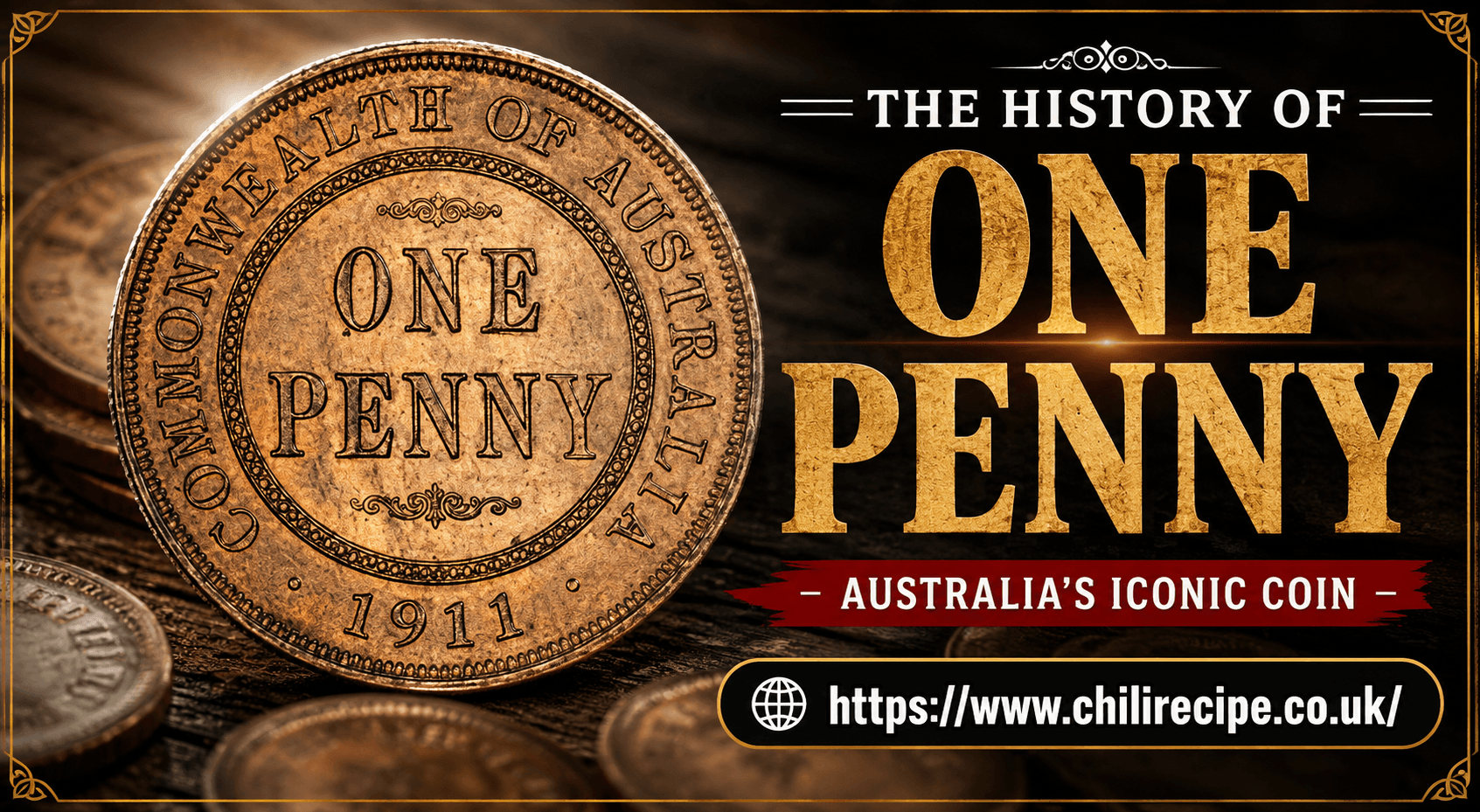
Can a Penny Still Buy Anything? Value Guide
Introduction
You toss them in jars or leave them on sidewalks. A single penny seems worthless. But hidden in your spare change, some coins command thousands of dollars from collectors. You need to know which penny mistakes turn trash into treasure. This guide reveals the exact features that separate face value coins from life-changing finds. Start checking your pocket change today.
What Makes a Penny Valuable Today? (The 3 Key Factors)
A penny gains value from three main elements. First, its metal content matters during high inflation. Second, mint errors create instant rarity. Third, historical significance drives collector demand.
Most people overlook these factors daily. They see a coin and assume it is worth exactly one cent. Smart collectors know better.
The Shocking Truth About Copper Penny Melt Value
Before 1982, the U.S. Mint produced a penny with 95% copper. Today, that copper alone is worth nearly three times face value. A single copper penny contains about 2.5 cents worth of metal.
You can legally melt these coins for profit. Many investors hoard pre-1982 pennies as a copper hedge. Check your jars now for dates before 1982.
Which Rare Penny Errors Make Collectors Pay Thousands?
Error coins represent the lottery ticket of coin collecting. A penny with a double die obverse sold for over $200,000. Off-center strikes add hundreds in value instantly.
Look for these specific errors:
- Double lettering on “LIBERTY” or “IN GOD WE TRUST”
- Blank planchet (missing both sides)
- Clipped planchet (missing a chunk of metal)
- Die cracks running across Lincoln’s face
One penny rotated 180 degrees on the back side is worth serious money.
The Legendary 1943 Copper Penny: A $1.7 Million Mistake
World War II required steel for the war effort. The Mint accidentally produced a handful of copper penny coins in 1943. Only 15 to 20 genuine examples exist today.
A 1943 copper penny last sold for $1.7 million. Most fakes circulate online, but a simple magnet test reveals the truth. Real copper sticks to nothing. Steel sticks hard.
How to Spot a Valuable Wheat Penny in Your Change
Wheat penny coins ran from 1909 to 1958. The Lincoln Wheat penny remains the most collected U.S. coin series. Key dates include 1909-S VDB, 1914-D, and 1931-S.
A 1909-S VDB penny in good condition sells for $800 or more. Look for the designer’s initials “VDB” on the reverse bottom edge. Many people spend these treasures unknowingly.
Table: Top 5 Most Valuable Pennies
| Year & Type | Key Feature | Estimated Value (Good Condition) | Why So Rare |
|---|---|---|---|
| 1943 Copper | Steel planchet error | $1,000,000+ | Only 15 exist |
| 1909-S VDB | Designer initials | 800−2,500 | Low mintage (484,000) |
| 1955 Double Die | Doubled lettering | 1,200−18,000 | Obvious mint error |
| 1914-D | Denver mint mark | 150−5,000 | Scarce mintage |
| 1922 No D | Missing mint mark | 500−8,000 | Die polishing accident |
Does a Steel Penny Have Real Investment Potential?
The 1943 steel penny is common but historically significant. You can buy one for 15 to 50 cents today. However, a pristine steel penny with original luster commands hundreds.
Steel rusts easily, so high-grade examples are scarce. Store your steel penny in a dry, airtight holder. Never clean a steel penny with water or chemicals.
Modern Pennies: Are Post-1982 Coins Worth Keeping?
The modern zinc penny has a thin copper plating. Its melt value is less than half a cent. Most post-1982 pennies are not worth hoarding for metal.
However, some modern error penny coins still bring premiums. Look for 1990 “No S” proof pennies worth 2,000+.The1995doubledie∗∗penny∗∗alsosellsfor50 or more.
How to Properly Grade Your Penny Like a Professional Dealer
Grading determines 80% of your penny value. Use a 10x magnifier and good lighting. Check these four zones: Lincoln’s hair, chest, ear, and the word “LIBERTY.”
Professional graders use the Sheldon Scale from 1 to 70. A Good-4 penny has full rim but flat hair details. An Uncirculated MS-60 penny has no wear but possible bag marks.
Never guess the grade. Compare your penny to PCGS or NGC photograde online.
Where to Sell Your Rare Penny for Maximum Profit
Do not spend rare coins in a cash register. You lose 99% of the value instantly. Instead, use these proven selling channels:
eBay – Best for mid-range wheat pennies (10to500). Take clear photos of both sides.
Heritage Auctions – Top choice for penny coins worth over $1,000. They reach global collectors.
Local Coin Shows – Bring your penny to three dealers. Take the middle offer.
Reddit r/Coins4Sale – Zero fees, but verify buyer feedback first.
The Hidden Costs of Cleaning a Penny (Don’t Do It)
Cleaning destroys a penny collector value by 90%. Scratches from rubbing remove original mint luster. Chemicals create unnatural orange or pink colors.
Professional graders instantly spot a cleaned penny. They will return it in a “Details” holder at half value. Leave your penny exactly as found. Dirt and patina protect the surface.
5 Daily Places to Hunt for Valuable Pennies
You do not need a metal detector to find treasure. Check these five locations this week:
- Grocery store coin returns – People leave pennies behind daily.
- Bank teller trays – Ask for customer-rolled penny boxes.
- Car cup holders – Ten minutes of searching yields dozens.
- Laundromat change machines – Always check the rejection slot.
- Grandma’s attic jars – Old collections hide key-date penny coins.
Coin Roll Hunting: How to Search $25 in Pennies
Buy a $25 box of penny coins from any bank. Each box contains 2,500 coins. Set aside 90 minutes to search systematically.
Sort by decade first. Then check every pre-1982 penny for copper value. Finally, examine each wheat penny under magnification. Expect to find 15 to 30 wheat pennies per box.
Why the Penny Remains Legal Tender Despite Low Value
The U.S. Treasury reports it costs 3.07 cents to make one penny. That is a loss of 2.07 cents per coin. However, the penny supports charitable donations and sales tax accuracy.
Canada eliminated its penny in 2013 with no problems. The U.S. keeps the penny mostly due to zinc industry lobbying. For now, your penny still works in every cash transaction.
Frequently Asked Questions (FAQs)
Q1: Is a 1974 aluminum penny worth $2 million?
A: Yes, but you will never find one. The Mint struck 1.5 million aluminum pennies in 1974 and destroyed all but 14 known examples. Most are in museums or government vaults.
Q2: Can I legally melt pennies for copper scrap?
A: Yes for pre-1982 copper pennies only. The 2006 federal law bans melting nickel and cent coins, but specifically exempts pennies minted before 1982. You can melt 5,000 pounds legally.
Q3: What is the easiest way to spot a double die penny?
A: Look at the date and lettering. A double die penny shows clear shadowing or split serifs on the letters. Use a 10x loupe. The 1955, 1972, and 1995 issues are most common.
Q4: How much is a 1969-S double die penny worth?
A: A genuine example sells for 35,000to75,000. However, counterfeits are rampant. The real 1969-S double die penny shows strong doubling on “LIBERTY” and “IN GOD WE TRUST.” Get it authenticated by PCGS.
Q5: Does a penny with no mint mark have value?
A: Usually no. Philadelphia produces penny coins without mint marks. But the 1922 “No D” penny is the major exception. That coin was made in Denver but the mint mark die filled with grease.
Q6: Should I keep every wheat penny I find?
A: Keep every wheat penny from 1909 to 1940. These have higher base value. Common 1944 to 1958 wheat pennies are worth 3 to 5 cents each. Still worth saving, but not life-changing.
Conclusion
Your spare change holds more potential than you ever imagined. A single penny with the right date, error, or condition can pay your rent for a month. You now know exactly which features to hunt for and where to sell for top dollar.