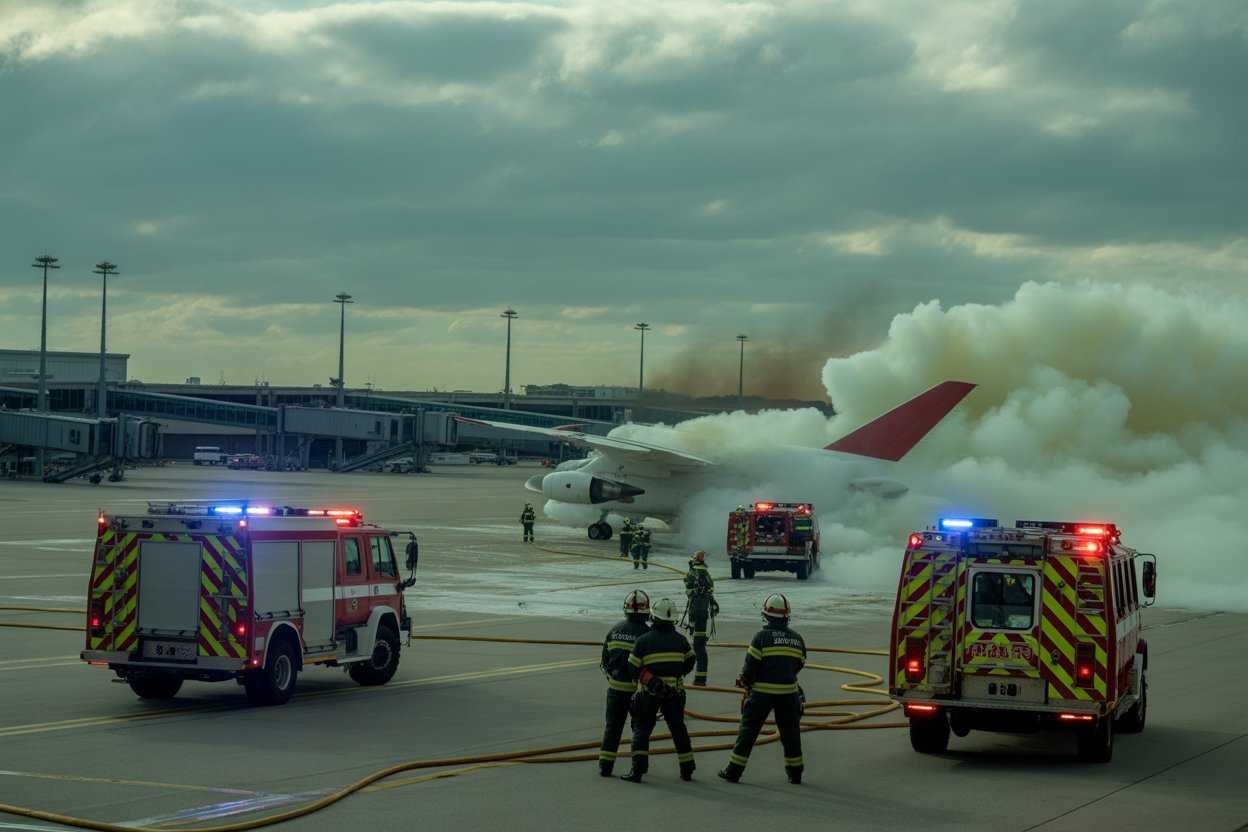
American airlines crash
American Airlines Crash: What Happened and What It Means for Your Future Travel
The thought of a plane crash strikes fear into the heart of even the most experienced traveler. When news broke about the american airlines crash near Washington, D.C., the entire nation stopped to pay attention. This tragic event, involving a regional jet and a military helicopter, has left many people with deep concerns about air safety.
On January 29, 2025, a routine approach to Ronald Reagan Washington National Airport turned into a nightmare. An American Airlines flight carrying passengers and crew collided with a US Army Black Hawk helicopter over the Potomac River. The accident claimed 67 lives and marked one of the darkest days in recent American aviation history. For families who lost loved ones, the pain remains fresh. For the rest of us, this crash raises serious questions about how we fly, how safe our skies really are, and what American Airlines is doing to prevent such a disaster from happening again.
In this article, we will walk you through everything you need to know. We will cover the timeline of events, the ongoing investigation, and what this means for your future american airlines flights. We will also explore how the airline is handling customer concerns and what safety measures are now in place. Our goal is to provide you with clear, honest, and helpful information so you can make informed decisions about your travel plans.
The Day the Skies Turned Silent
The tragedy unfolded quickly on that January evening. American Airlines Flight 5342, a regional jet operated by a partner carrier, was making its final descent into Reagan National Airport. The flight had originated from Wichita, Kansas, and was carrying a mix of business travelers, families, and aviation enthusiasts returning home. As the jet lined up for landing, a US Army Black Hawk helicopter was conducting a training mission in the same airspace.
Witnesses on the ground reported seeing the two aircraft flying close together moments before the collision. Then came a fireball that lit up the dark sky over the Potomac River. First responders rushed to the scene, but the wreckage sank into the freezing water. There were no survivors. This american airlines crash became the deadliest air disaster in the United States since 2001, sending shockwaves through the aviation community and the general public.
In the days that followed, investigators from the National Transportation Safety Board (NTSB) arrived on site. They began the painstaking work of recovering wreckage, reviewing radar data, and interviewing air traffic controllers. The nation watched closely, hoping for answers that would bring some closure to grieving families and restore confidence in air travel.
Understanding the Investigation So Far
The investigation into this american airlines crash has revealed several critical details. According to preliminary radar data, the Black Hawk helicopter may have been flying above its permitted altitude at the time of the collision. The helicopter was cleared to fly at a maximum of 200 feet along its route near the airport. However, data suggests it was flying at approximately 278 feet when the crash occurred.
Air traffic control communications also raised concerns. Controllers had warned the helicopter about the approaching jet less than two minutes before impact. The helicopter crew acknowledged the warning, but investigators believe a critical instruction to pass behind the plane may not have been received due to a microphone issue. In the cockpit of the American Airlines jet, an automated system alerted pilots to the helicopter’s presence just seconds before the collision. The jet’s crew attempted to change their altitude, but it was too late.
The NTSB has not yet determined an official cause for the crash. Their preliminary report is expected to shed more light on the factors involved. Investigators are also examining whether the helicopter’s night vision goggles, which were part of the training mission, played any role in the crew’s situational awareness. The investigation remains active and thorough, with no detail too small to escape scrutiny.
American Airlines Response to the Crisis
Following the crash, american airlines leadership moved quickly to address the tragedy. CEO Robert Isom issued a heartfelt statement expressing condolences to the families of the victims. The airline established a support center for relatives and worked closely with investigators to provide flight records and crew information.
For passengers with upcoming american airlines flights, the airline offered flexibility in changing travel plans. Many travelers felt anxious about flying immediately after the crash, and American Airlines responded by waiving change fees for those who wished to postpone their trips. This compassionate approach helped ease the burden on customers who were not directly affected but still felt the emotional weight of the disaster.
The airline also faced tough questions about its safety protocols and training standards. american airlines customer service teams worked around the clock to address concerns from worried travelers. While no airline can prevent every tragedy, American Airlines demonstrated a commitment to transparency and support during this difficult time. Their actions reminded the public that behind the corporate name are real people who care deeply about passenger safety.
How Air Traffic Control Works Near Busy Airports
To understand how this american airlines crash could happen, it helps to know how air traffic control operates near major airports like Reagan National. This airport sits just across the Potomac River from downtown Washington, D.C. Its location means planes must follow strict flight paths to avoid restricted airspace over government buildings and military installations.
Air traffic controllers guide planes and helicopters through this busy corridor every day. They rely on radar, radio communications, and standard procedures to keep aircraft safely separated. In this case, the helicopter was operating on a route that routinely mixes military and civilian traffic. While such operations happen safely thousands of times each year, this tragedy shows what can happen when even one small factor goes wrong.
Investigators are looking closely at whether staffing levels at the control tower played a role. They are also reviewing the equipment used by controllers to track aircraft positions. Some experts have questioned whether additional technology, such as automatic dependent surveillance-broadcast (ADS-B), could have provided an extra layer of warning. The military helicopter involved was not using ADS-B at the time, which is permitted under current exemptions but has drawn criticism from safety advocates.
The Human Toll of the Tragedy
Beyond the technical investigation, this american airlines crash has a deeply human dimension. Sixty-seven people lost their lives, each with a unique story. They included young figure skaters returning from a development camp, business professionals heading home after long weeks away, and military members serving their country. The figure skating community, in particular, suffered a devastating blow with the loss of several promising athletes and their coaches.
In Wichita, the departure point for the flight, a memorial grew at the airport. Travelers stopped to leave flowers, notes, and personal mementos. One visitor, a nun named Sister Mary Catherine Clark, recalled a previous tragedy when an American Airlines flight brought home the bodies of four crash victims. Her presence at the memorial showed how deeply these events touch communities across the country.
The process of recovering and identifying victims took weeks. Forensic teams worked tirelessly in challenging conditions, pulling wreckage from the river and carefully documenting every finding. For families waiting for news, this period of uncertainty added to their grief. The D.C. Chief Medical Examiner’s office eventually confirmed the identities of all victims, bringing at least some closure to the identification process.
Examining American Airlines Safety Record
Many travelers are now asking whether american airlines has a safe track record. Like all major US carriers, American Airlines operates under strict oversight from the Federal Aviation Administration (FAA). The airline has a strong safety culture and invests heavily in pilot training, aircraft maintenance, and operational procedures.
However, this crash brings attention to the broader context of american airlines bankruptcies and financial pressures faced by the industry in past decades. American Airlines filed for bankruptcy protection in 2011, emerging in 2013 after restructuring its operations. Some critics have questioned whether cost-cutting during those difficult years could affect safety, but the airline maintains that safety has never been compromised.
In reality, US airlines have an excellent safety record compared to the rest of the world. Major accidents are extremely rare, and when they do occur, the industry learns from them. The last fatal crash involving a US airline passenger jet before this tragedy was in 2009. This context matters when you check your american airlines flight status or book your next ticket. The system is designed to be safe, and events like this prompt even stronger safety measures moving forward.
Changes Already Happening at Reagan National Airport
In response to the crash, officials have implemented immediate changes at Reagan National Airport. The FAA has temporarily restricted helicopter traffic in the area near the airport. Military training flights have been suspended pending a full review of procedures. These steps aim to reduce the risk of another collision while investigators continue their work.
Lawmakers have also gotten involved. Senators from both parties have pressed the Army to release information about its safety policies, including why helicopters often fly without ADS-B technology turned on. The Army has faced criticism for withholding a 2024 report that could explain its reasoning. This political pressure may lead to permanent changes in how military and civilian aircraft share airspace near major cities.
For passengers flying in and out of Reagan National, these changes may mean minor delays or adjusted flight paths. However, most travelers will not notice a difference in their daily experience. The airport remains open and fully operational, with flights arriving and departing as scheduled. You can still easily check your american airlines flight status online or through the airline’s app before heading to the airport.
What This Means for Your Future Travel Plans
If you have upcoming travel on american airlines, you might feel nervous about flying. This is completely normal. Tragedies like this remind us that flying, while incredibly safe, is not without risk. However, it is important to keep things in perspective. Every day, thousands of American Airlines flights take off and land without incident. The crew members on those flights are highly trained professionals who take your safety seriously.
The airline has also taken steps to support passengers who feel uneasy. Their customer service teams are available to answer questions about safety procedures, aircraft types, and route planning. If you need to check baggage dimensions, you can review the american airlines carry on size policy online to make your trip smoother. Knowing the rules ahead of time reduces stress and helps you focus on the journey itself.
For those who want to stay informed, the airline provides regular updates through its website and social media channels. You can also track your flight in real time using various apps and websites. Having this information at your fingertips gives you control over your travel experience and helps you feel more at ease.
The Role of Technology in Preventing Future Crashes
One key question from this american airlines crash is whether better technology could have prevented it. Investigators are focusing on the helicopter’s altitude and whether the crew knew they were too high. Advanced systems like ADS-B broadcast an aircraft’s exact position to controllers and other planes. If the helicopter had been broadcasting its location, the American Airlines jet might have received an earlier warning.
The FAA has required ADS-B on most civilian aircraft since 2020. However, the military received an exemption for certain operations. Lawmakers are now questioning whether that exemption makes sense in busy airspace near commercial airports. The Army’s refusal to release a 2024 report on its ADS-B policy has only fueled these concerns.
In the coming months, we may see new rules requiring all aircraft in controlled airspace to use position-broadcasting technology. Such changes take time, but they move faster when tragedy provides a powerful push. For passengers, these advancements mean even greater safety margins on future flights. The aviation industry has a long history of learning from accidents and using those lessons to protect lives.
How to Handle Travel Anxiety After a Crash
If news of this crash has made you anxious about flying, you are not alone. Many people experience increased fear after hearing about an aviation disaster. The good news is that there are practical steps you can take to manage those feelings.
First, educate yourself about how safe flying really is. Statistically, you are far more likely to be in a car accident on the way to the airport than in a plane crash. Airlines like American Airlines invest billions in safety every year. Their pilots train constantly, their mechanics inspect planes thoroughly, and their dispatchers monitor weather and routes carefully.
Second, talk to someone about your fears. A friend, family member, or even a professional counselor can help you process your emotions. Many airports also have programs to help nervous fliers, including guided tours and familiarization sessions. If you need to check your american airlines flight status or review policies like the american airlines carry on size limits, doing so in advance can help you feel more prepared and in control.
What Investors Are Watching
Beyond the human and operational impacts, this crash has drawn attention from the financial world. american airlines stock experienced some volatility following the news, as investors weighed potential costs from litigation, increased safety spending, and possible declines in passenger demand. Historically, airline stocks tend to dip after major accidents but often recover as the industry demonstrates its resilience.
Analysts are watching how American Airlines manages its response. Strong leadership and transparent communication can reassure both passengers and shareholders. The airline’s history includes navigating american airlines bankruptcies and other challenges, showing its ability to weather difficult periods. Long-term investors typically look at the bigger picture, including fuel costs, route networks, and overall travel demand, rather than reacting solely to a single tragic event.
For the average traveler, stock movements are unlikely to affect your flight experience. American Airlines continues to operate its full schedule, with flights connecting cities across the United States and around the world. You can book with confidence, knowing that the airline remains focused on its core mission of safe and reliable transportation.
Lessons Learned from Past Airline Tragedies
The aviation industry has a remarkable record of learning from its mistakes. Every major accident leads to changes that make flying safer for everyone. After the american airlines crash in 2001 involving a flight to the Dominican Republic, the industry improved maintenance procedures. After the Colgan Air crash in 2009, new rules came into effect for pilot training and fatigue management.
This tragedy will likely bring its own set of reforms. We may see changes in how helicopters operate near busy airports, how air traffic controllers manage mixed traffic, and how crews communicate in critical moments. These improvements will benefit all airlines, not just American Airlines. When you step onto any future flight, you will be protected by lessons learned from this painful event.
It is also worth remembering that American Airlines has been through challenging times before. The company emerged from american airlines bankruptcies stronger and more focused. Its commitment to safety has never wavered through financial ups and downs. That track record should give passengers confidence as they plan their future travel.
Practical Tips for Your Next Flight
As you prepare for your next trip on American Airlines, here are some practical tips to make your experience smooth and stress-free. Start by checking your american airlines flight status the day before departure. This gives you plenty of time to adjust your plans if needed. Sign up for text or email alerts from the airline so you receive real-time updates about any changes.
Review the american airlines carry on size rules before you pack. The airline allows one carry-on bag and one personal item, with specific size limits. Following these guidelines helps you avoid gate-checking your bag and speeds up the boarding process. If you have questions, american airlines customer service representatives are available by phone, chat, or social media to help.
Arrive at the airport with plenty of time to spare. Security lines can be unpredictable, and giving yourself a buffer reduces anxiety. Once you are through security, find your gate and settle in. Remember that the crew members you see are dedicated professionals who want you to arrive safely. Trust in their training and experience.
Frequently Asked Questions
What caused the American Airlines crash in Washington, D.C.?
Investigators are still working to determine the exact cause. Preliminary information suggests the military helicopter may have been flying above its permitted altitude. Communication issues between air traffic control and the helicopter crew may also have played a role. The NTSB is conducting a thorough investigation and will release a final report with findings and recommendations.
Is it safe to fly on American Airlines right now?
Yes, flying on American Airlines remains very safe. The airline operates thousands of flights daily with highly trained crews and well-maintained aircraft. The FAA and other agencies closely monitor all US airlines to ensure compliance with strict safety standards. This tragic accident was an extremely rare event in the context of millions of safe flights every year.
How can I check my American Airlines flight status?
You can check your flight status on the American Airlines website or mobile app. Simply enter your flight number or route to see real-time information about departures, arrivals, and any delays. You can also sign up for notifications to receive updates directly to your phone or email.
What is American Airlines doing to support the victims’ families?
American Airlines has established a dedicated support center for families of the victims. The airline is providing resources, assistance with travel arrangements, and grief counseling services. CEO Robert Isom and other leaders have personally reached out to express condolences and offer help during this difficult time.
Has American Airlines changed its safety procedures after the crash?
While the investigation continues, American Airlines is cooperating fully with authorities. The airline is reviewing its own procedures and participating in industry-wide discussions about potential improvements. Changes to flight operations near Reagan National Airport have been implemented by the FAA, affecting all airlines operating there.
How does this crash compare to other American Airlines accidents?
This crash is one of the deadliest involving American Airlines in recent decades. The last major fatal accident for the airline was in 2001. The industry as a whole has seen significant safety improvements since then, which makes this event particularly shocking and tragic.
Moving Forward with Confidence
The american airlines crash near Washington, D.C., was a heartbreaking event that touched the entire nation. Sixty-seven lives were lost, families were shattered, and our collective sense of security was shaken. In the aftermath, we have seen grief, questions, and a demand for answers. These responses are natural and necessary.
As we look ahead, it is important to remember that air travel remains one of the safest modes of transportation. Airlines like American Airlines are committed to learning from this tragedy and implementing changes that will prevent similar events in the future. The investigation will bring clarity, and the industry will adapt.
If you have upcoming travel plans, go ahead and keep them. Check your american airlines flight status, review the american airlines carry on size policy, and arrive at the airport with confidence. The skies over America are watched over by skilled professionals who care deeply about your safety. They will continue their work, honoring the memory of those lost by making sure it never happens again.
We encourage you to share this article with anyone who might have questions or concerns about flying after this tragedy. Knowledge is a powerful tool for overcoming fear. Together, we can move forward with hope, trust, and a commitment to safer skies for everyone.
YOU MAY ALSO LIKE TO READ ABOUT: What is an Infographic?
About the Author